
In professional golf, fans often see the trophies, the rankings, and the dramatic moments that unfold under pressure. What they rarely witness are the quiet personal moments that shape an athlete’s journey behind the scenes. Stories about Rory McIlroy have long focused on his remarkable talent and competitive achievements, but like every elite athlete, his life extends far beyond the golf course. Behind every tournament appearance is a human being navigating expectations, responsibilities, and relationships that often matter more than any result.
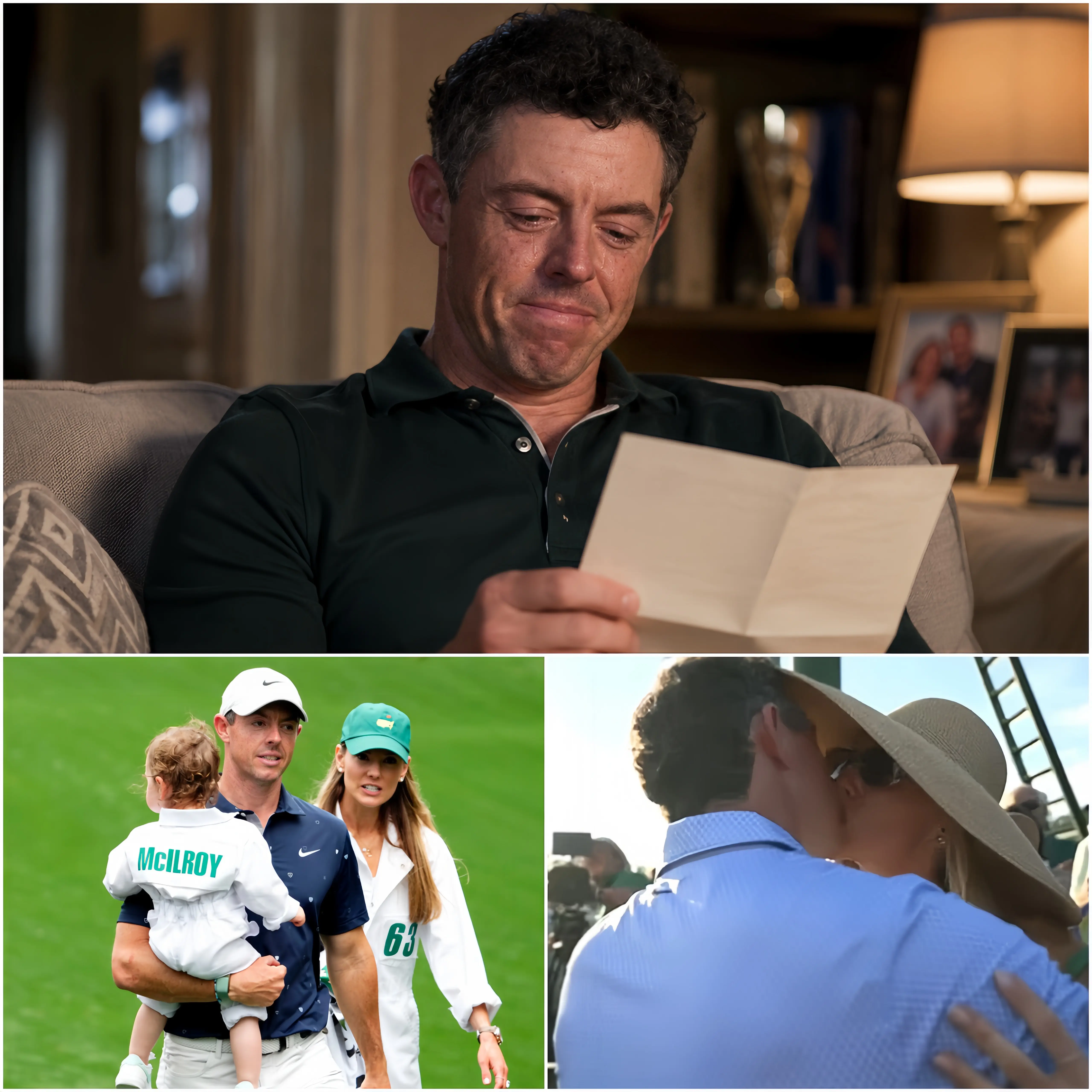
The life of a world-class golfer is frequently romanticized. Spectators see beautiful courses, major championships, and global recognition. Yet sports psychologists consistently note that elite competition comes with unique emotional challenges. Long travel schedules, intense public scrutiny, and constant performance expectations can create significant mental pressure. Even the most accomplished athletes occasionally find themselves emotionally exhausted. During these moments, support from family and loved ones often becomes one of the most important resources available.
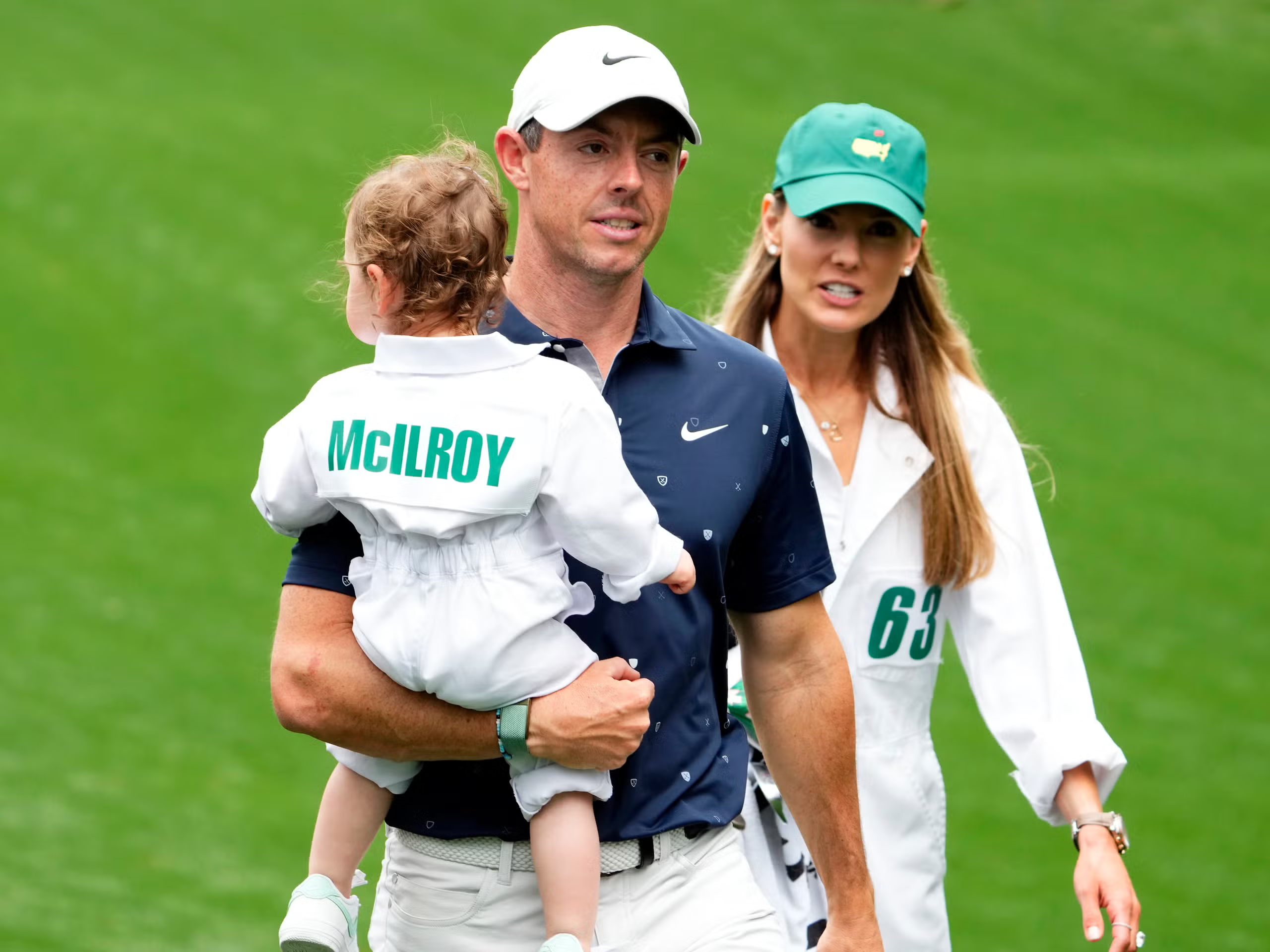
Rory McIlroy’s career has spanned more than a decade at the highest level of professional golf. Few players have maintained such a consistent presence among the world’s elite competitors. Throughout that journey, he has experienced extraordinary highs and difficult setbacks. Major victories have brought international acclaim, while disappointments have generated intense media attention. Through every phase, personal relationships have provided stability in an environment where success and failure are often magnified by public attention.
Sports performance experts frequently emphasize that emotional well-being and athletic success are closely connected. While technical skills, physical fitness, and strategic preparation remain essential, mental balance is equally important. Athletes who feel supported in their personal lives often demonstrate greater resilience during challenging periods. Knowing that encouragement exists beyond the scoreboard can help competitors maintain perspective when results do not go as planned.
The hypothetical scenario of receiving a deeply personal letter during a difficult tournament week resonates because it reflects a universal human experience. Words from someone who understands an athlete beyond public perception can have tremendous emotional impact. Such messages often remind individuals of their identity beyond competition. They reinforce the idea that personal worth is not determined solely by performance, rankings, or achievements. For many athletes, this perspective is invaluable.
Golf presents unique psychological demands compared with many other sports. Players spend long periods alone with their thoughts while navigating pressure-filled situations. Every decision requires concentration, patience, and emotional control. Unlike team sports, there are few opportunities to share responsibility. As a result, emotional burdens can feel particularly heavy. Personal encouragement received during difficult moments may therefore carry extraordinary significance, especially when confidence or energy levels are being tested.
Family members often witness aspects of an athlete’s life that remain invisible to the public. They see the sacrifices behind success, the frustrations after disappointing performances, and the determination required to continue improving. Their perspective is often more complete than that of coaches, commentators, or fans. Because of this unique understanding, their words can resonate in ways that professional advice sometimes cannot. Emotional support from loved ones frequently becomes a powerful source of motivation.
Modern sports science increasingly recognizes the importance of social support networks. Research has shown that athletes with strong personal relationships often cope more effectively with stress. Emotional support contributes to psychological resilience, improved recovery, and healthier responses to adversity. Organizations across professional sports now place greater emphasis on mental well-being, acknowledging that success depends on more than physical preparation alone.
The emotional reaction described in this scenario also highlights an important truth about elite competitors. Public perception often portrays champions as emotionally invulnerable individuals capable of handling any challenge. In reality, athletes experience the same feelings as everyone else. They worry, reflect, struggle, and seek reassurance during difficult periods. Moments of vulnerability do not diminish their strength. Rather, they demonstrate the humanity that exists beneath extraordinary achievements.
One reason stories involving family support resonate so strongly is that they reveal values that transcend sport. Fans admire athletic excellence, but they are often equally inspired by loyalty, gratitude, and perseverance. A heartfelt message from a spouse, parent, or friend can remind audiences that the most meaningful aspects of life are not always measured by trophies or rankings. Such moments connect people through shared emotions rather than competitive outcomes.
Throughout sporting history, many champions have spoken about the importance of relationships during pivotal moments in their careers. Whether facing injuries, slumps in form, or personal challenges, athletes frequently credit family members for helping them maintain perspective. These stories underscore a recurring theme: success rarely happens in isolation. Behind every achievement stands a network of people providing encouragement, guidance, and unconditional support.
For McIlroy, whose career has unfolded under intense international attention, maintaining that support system is likely as important as any technical aspect of his game. While golf may define his public image, personal relationships contribute significantly to the foundation upon which his success is built. The emotional significance of a thoughtful gesture or heartfelt message should therefore not be underestimated, particularly during periods of heightened pressure.
Ultimately, the appeal of this story lies not in drama but in its reminder of what matters most. Competitive sport celebrates achievement, determination, and excellence. Yet some of the most meaningful moments occur away from cameras and leaderboards. They happen when individuals are reminded that they are valued not for what they accomplish, but for who they are. In a world where elite athletes are constantly judged by results, that message can be profoundly powerful.
Whether on the fairways of a major championship or in a quiet personal moment away from public view, the importance of love, understanding, and emotional support remains unchanged. These are the forces that help people endure pressure, overcome setbacks, and continue moving forward. For athletes like Rory McIlroy, they may ultimately prove just as important as any victory achieved on the golf course.