
❤️ The golf world was deeply moved after reports emerged about a 7-year-old boy battling terminal brain cancer whose final wish was simply to meet Scottie Scheffler. Unlike many emotional stories involving celebrities, this moment reportedly unfolded quietly and privately inside a hospital room far away from television cameras and media attention. According to hospital staff and family members, the young boy had followed Scheffler’s career closely for years and often watched tournament highlights during difficult treatment sessions, drawing strength and comfort from the golfer’s calm demeanor and resilience under pressure.
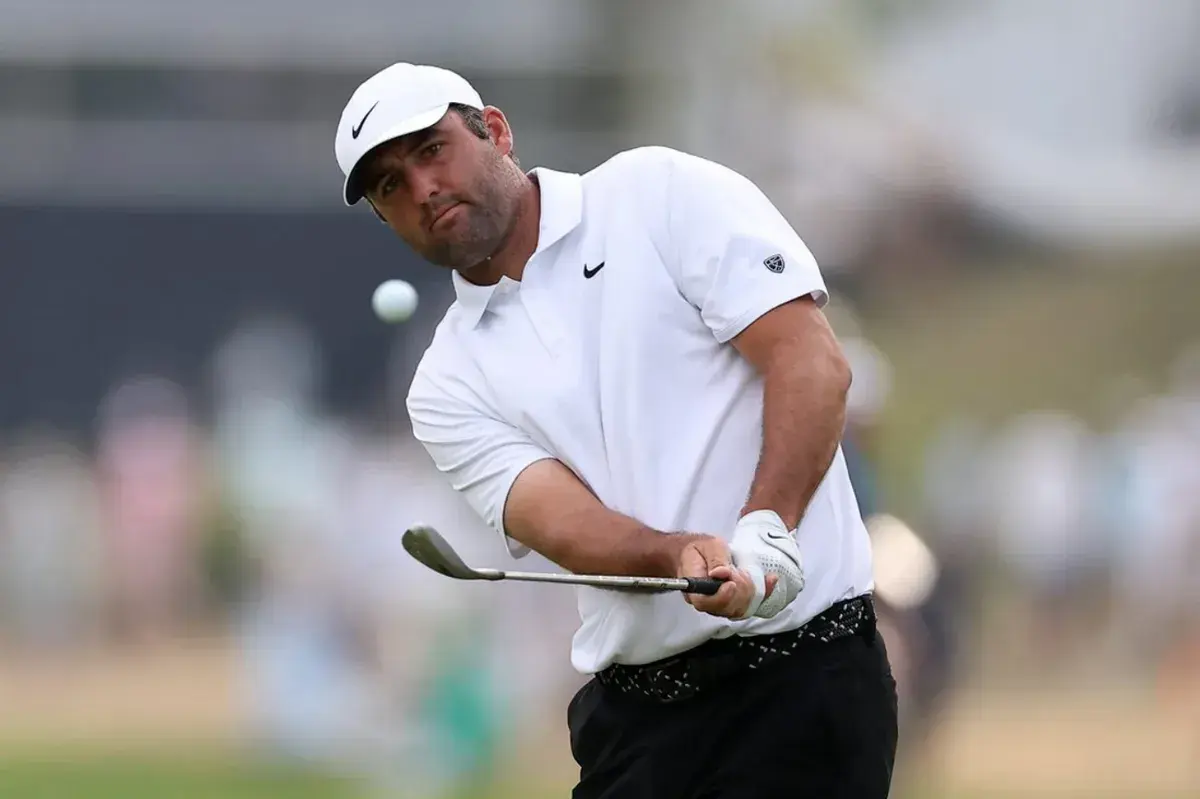
From a psychological perspective, stories like this reveal the enormous emotional influence athletes can have beyond sports themselves. For seriously ill children, public figures often become symbols of stability, hope, and emotional escape during periods filled with fear and uncertainty. Medical professionals frequently note that emotional motivation can play a major role in helping pediatric patients cope with aggressive treatments and prolonged hospitalization. In this case, Scheffler reportedly represented far more than a golfer to the child — he became a source of courage during the hardest period of his young life.
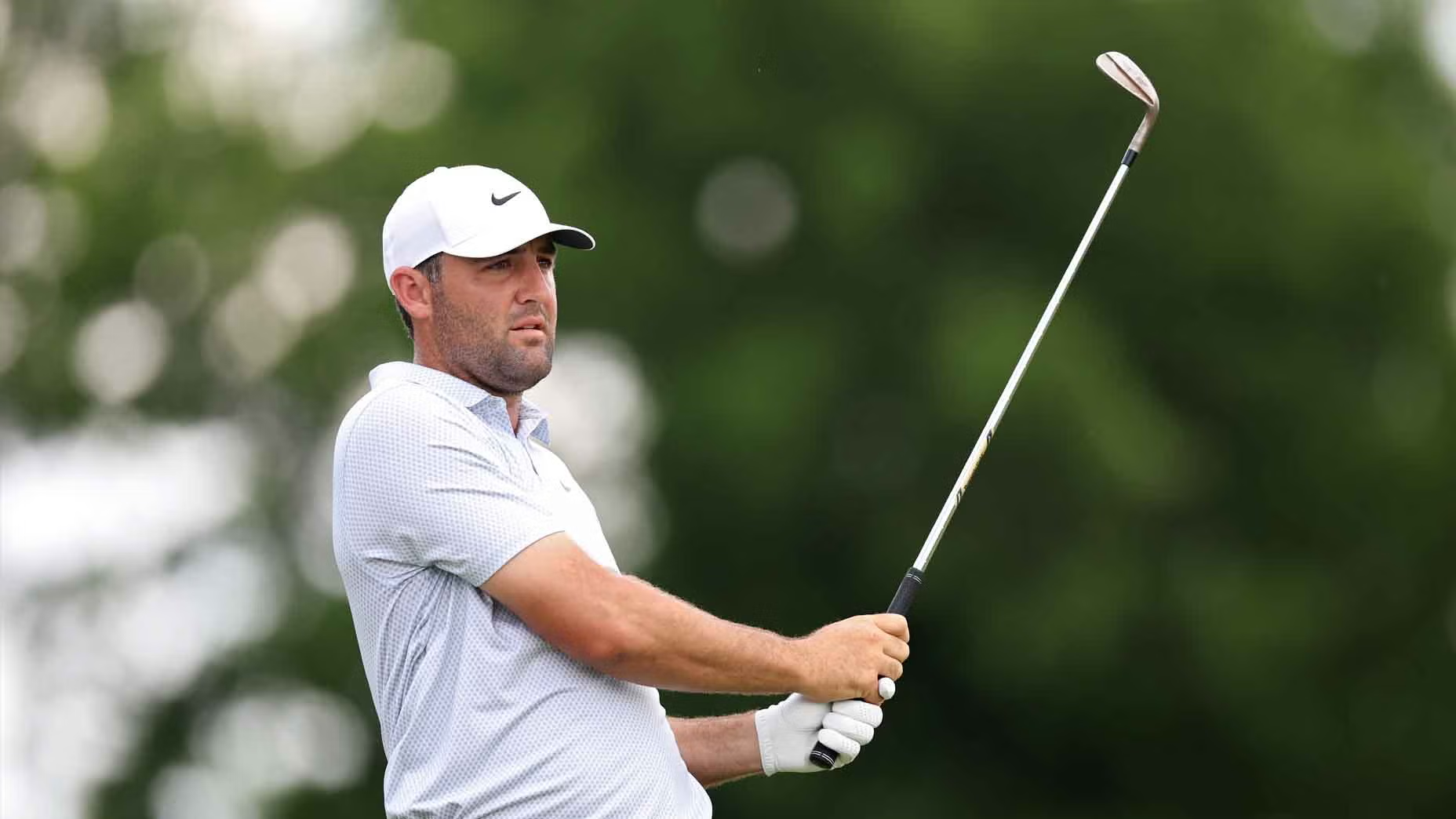
According to those present, Scheffler handled the situation with remarkable sensitivity and humility. Instead of organizing a highly publicized appearance or allowing cameras into the hospital, the world number one golfer reportedly rearranged personal commitments quietly to spend private time with the child and his family. Witnesses described the atmosphere not as a celebrity visit, but as an intimate human conversation centered around comfort, encouragement, and emotional support. Doctors and nurses later emphasized how natural and genuine Scheffler’s behavior appeared throughout the meeting.
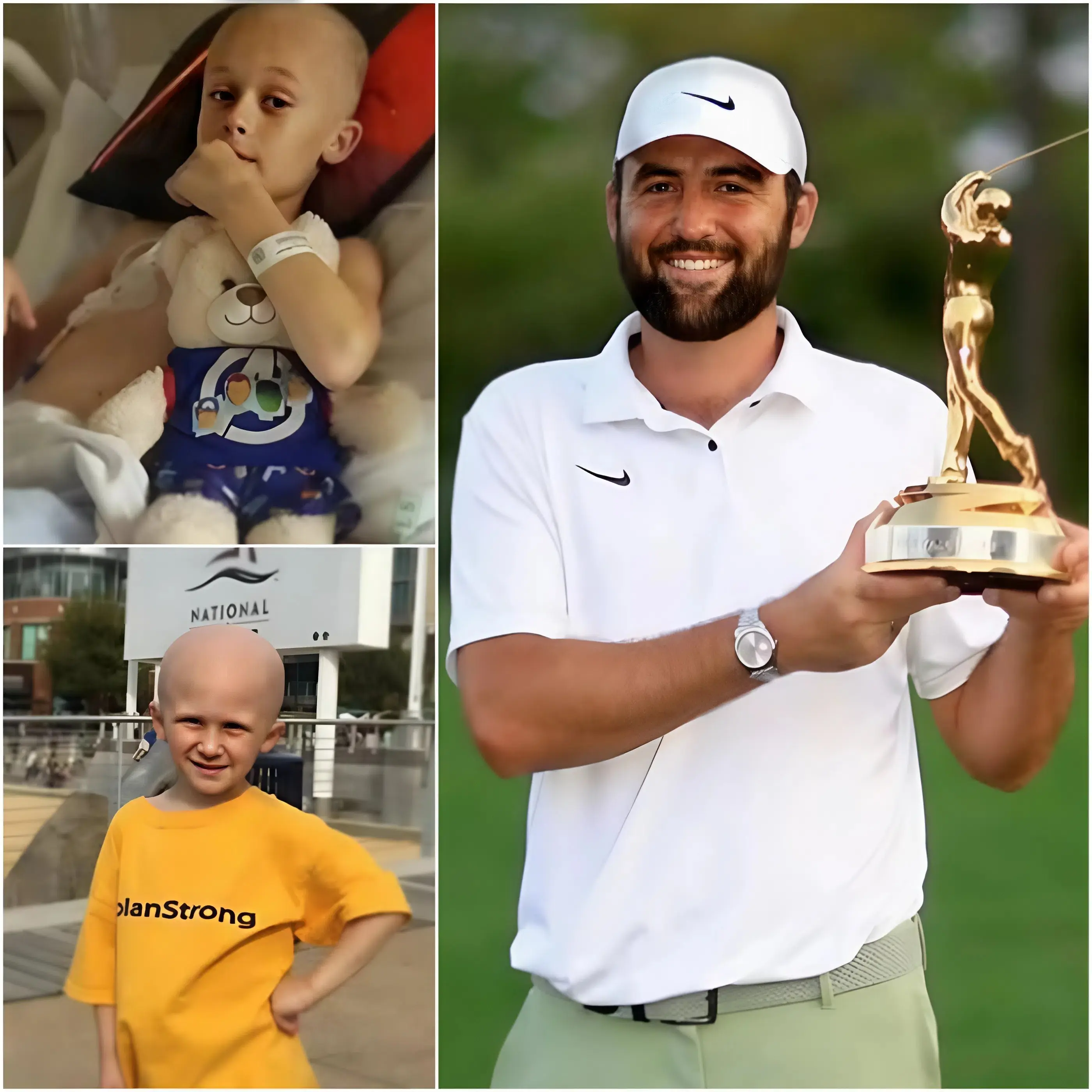
Professionally, Scheffler has built a reputation not only for technical excellence on the golf course, but also for emotional composure away from competition. Analysts frequently describe his personality as grounded, disciplined, and unusually calm compared to many elite athletes operating under constant global scrutiny. That emotional steadiness has become one of the defining traits of his career. In high-pressure moments, Scheffler rarely appears overwhelmed publicly, a characteristic that many fans — including reportedly the young boy himself — deeply admired and connected with emotionally.
From a sporting perspective, Scheffler’s influence extends well beyond trophies and rankings. Modern professional athletes increasingly occupy complex cultural roles where their behavior outside competition can become just as meaningful as their performances. Young fans often identify more strongly with personality, humility, and emotional authenticity than statistics alone. Experts in sports psychology frequently argue that athletes who display emotional accessibility create stronger long-term connections with supporters than those who rely solely on competitive dominance. Scheffler’s actions in this story reinforced exactly that reputation.
According to hospital sources, the conversation between Scheffler and the child reportedly focused on courage, faith, perseverance, and enjoying meaningful moments despite fear and uncertainty. Medical staff described several emotional moments during the visit, particularly when Scheffler sat quietly beside the bed holding the child’s hand while listening more than speaking. Nurses later explained that many celebrity visits can feel rushed or performative, but this interaction reportedly felt deeply sincere and emotionally personal for everyone involved in the room.
The emotional impact on the family was also profound. Families dealing with terminal pediatric illness often experience extreme emotional exhaustion over long periods of treatment uncertainty. Experts note that compassionate moments from outsiders can provide rare emotional relief during otherwise devastating circumstances. According to relatives, the boy’s parents were overwhelmed by the fact that Scheffler reportedly never treated the meeting like an obligation. Instead, he gave the child time, attention, patience, and emotional presence — something the family said they would never forget.
Professionally, pediatric oncology specialists often emphasize the importance of preserving joy and emotional dignity for terminally ill children. While medicine focuses on physical treatment, emotional experiences remain equally significant in pediatric care. Positive emotional interactions can reduce anxiety, improve emotional comfort, and create meaningful memories for both patients and families. Several hospital staff members reportedly described Scheffler’s visit as one of the most emotionally moving experiences they had witnessed in years working within pediatric cancer care.
The story also resonated deeply throughout the broader golf community because Scheffler himself rarely seeks public attention outside competition. Unlike athletes who cultivate dramatic media personas, Scheffler is generally viewed as private, reserved, and family-oriented. That made reports of his quiet hospital visit feel especially authentic to many fans. Social media reactions overwhelmingly praised not just the act itself, but the fact that he reportedly tried to keep the moment away from publicity entirely, allowing the experience to remain focused on the child rather than public image.
From a broader societal perspective, moments like these remind people why sports matter emotionally beyond championships and financial success. Athletes often become symbols of resilience because fans project personal struggles onto sporting narratives. For children facing life-threatening illness, following a favorite athlete can create emotional structure and hope during physically painful circumstances. Psychologists frequently explain that these emotional connections help young patients maintain identity and optimism even while enduring prolonged medical trauma and uncertainty about the future.
Witnesses also described an especially emotional moment near the end of the visit. According to reports, the child asked Scheffler whether he ever became afraid during important tournaments. Scheffler allegedly responded by explaining that fear exists for everyone, but courage means continuing despite uncertainty. Doctors later said that conversation visibly affected everyone present because it transformed the interaction from celebrity admiration into something deeply human and universal — a conversation about fear, strength, and emotional resilience between two people facing very different battles.
Golf analysts noted afterward that stories like this often reveal dimensions of athletes rarely visible during competition broadcasts. Fans typically see players through statistics, swing mechanics, rankings, and tournament pressure. Yet behind elite performance exists character, emotional maturity, and personal values that cannot be measured on scorecards. Scheffler’s reported decision to prioritize this hospital visit despite an extremely demanding competitive schedule reinforced why many within professional golf regard him as one of the sport’s most respected figures beyond pure athletic performance.
The emotional reaction across the sports world intensified further after reports that the young boy later passed away peacefully surrounded by family. Hospital staff described the meeting with Scheffler as one of the happiest moments the child experienced during his final period of treatment. Family members reportedly said the memory gave him extraordinary comfort and excitement during days otherwise dominated by pain and physical decline. That reality transformed the story from a touching celebrity encounter into something far more emotionally lasting and profound.
Ultimately, the story resonated because it highlighted the extraordinary emotional power of simple human kindness. There were no grand speeches, sponsorship campaigns, or staged publicity moments. Instead, according to everyone present, there was simply a quiet conversation between a child searching for courage and an athlete willing to offer his time, compassion, and presence. In an era where professional sports are often dominated by controversy and commercial attention, that deeply personal moment reminded millions why empathy, humility, and humanity still matter far beyond any trophy or championship.