
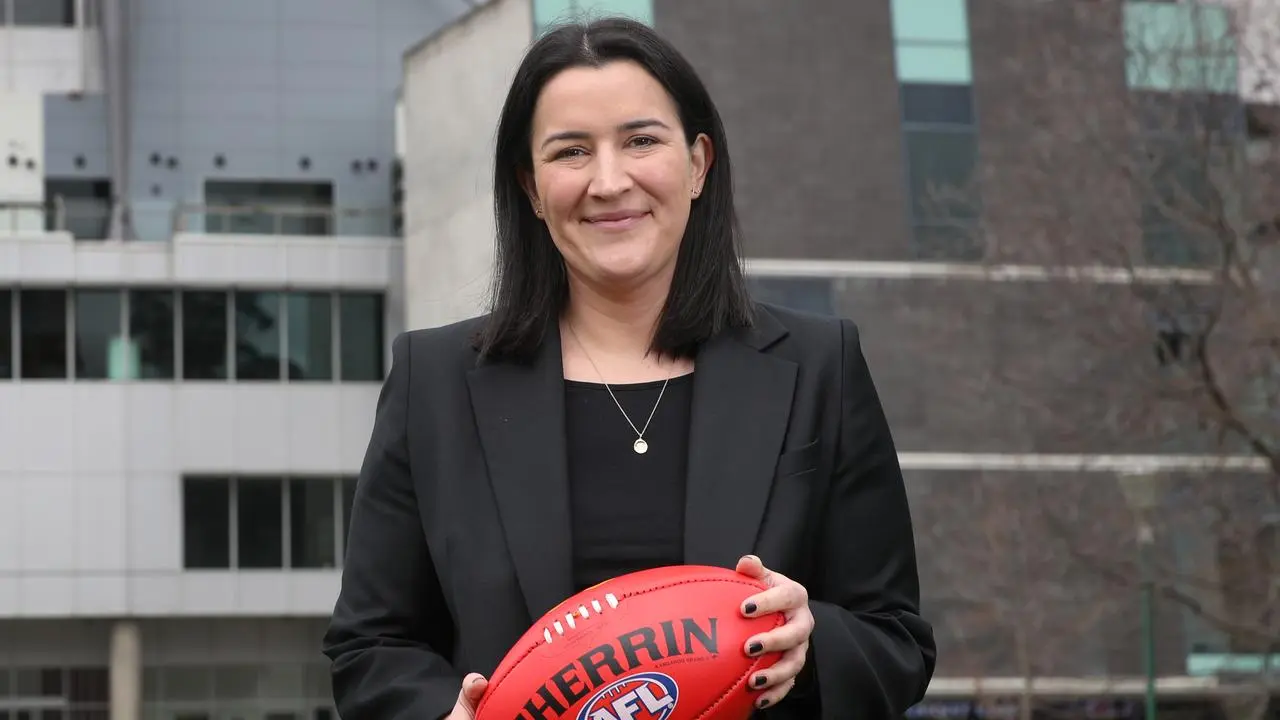
“WE ARE EXTREMELY SORRY.” Those five words from Laura Kane should have calmed the firestorm consuming Australian football. Instead, they detonated an even larger national crisis. Following days of outrage surrounding the controversial clash involving Collingwood Football Club, the AFL’s Head of Football finally broke her silence and publicly admitted that a series of officiating mistakes had occurred during the emotionally explosive match. After reviewing the full footage alongside league officials and refereeing analysts, Laura Kane reportedly confessed she was “deeply saddened” and “very disappointed” by what unfolded on the field.
But by the time the apology arrived, the damage had already become catastrophic. Inside Collingwood, fury was reaching dangerous levels, and coach Craig McRae was reportedly preparing for war against the AFL itself.
The controversy had been building for days before the apology finally arrived. From the opening quarter, tensions inside the stadium were already boiling as Collingwood players repeatedly protested umpiring decisions that supporters believed were heavily favoring their opponents. Every whistle triggered louder boos from the black-and-white crowd, while television commentators cautiously began questioning several officiating calls in real time. By halftime, social media had already erupted with furious accusations that Collingwood was being treated unfairly during one of the most emotionally charged matches of the season.
Fans flooded AFL pages with slowed-down clips, screenshots, and frame-by-frame breakdowns of contested decisions, insisting the Magpies were being “systematically punished” throughout the night.
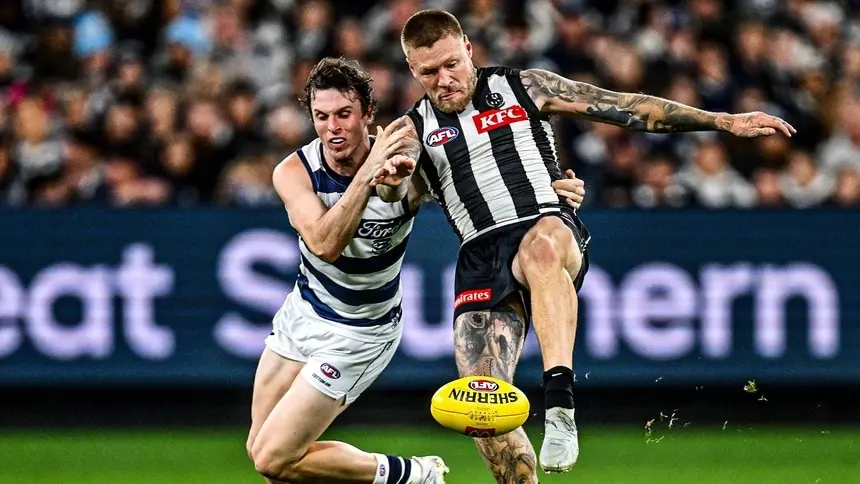
The emotional pressure intensified dramatically after a series of decisions late in the third quarter completely changed the momentum of the game. Several Collingwood players reportedly became visibly enraged after what they believed were missed free kicks during dangerous contests near the boundary line, while Craig McRae repeatedly stormed toward the interchange area demanding explanations from officials. Television microphones even appeared to capture frustrated players yelling directly at umpires as confusion spread across the field.
At one stage, veteran commentators admitted live on air that the officiating was becoming “increasingly difficult to justify,” fueling even more outrage among supporters watching across Australia.
Then came the final quarter chaos that transformed frustration into full-scale national outrage.
A sequence of controversial umpiring calls during the final minutes of the match left Collingwood supporters absolutely furious, particularly after several critical decisions directly contributed to scoring opportunities for the opposition. As the final siren sounded, boos thundered across the stadium while cameras captured Collingwood players screaming in disbelief at officials walking from the field. Some footballers reportedly had to be physically separated from umpires near the race as emotions exploded after the match. Supporters inside the stadium threw scarves, shouted abuse, and demanded immediate investigations into the officiating crew responsible for the game.
Within hours, AFL social media descended into complete warfare.
Millions of supporters began sharing clips of disputed calls while major AFL fan pages accused the league of “robbing Collingwood in broad daylight.” Several former players appearing on late-night football programs openly questioned whether the standard of officiating had reached a dangerous breaking point, while others suggested the AFL faced a looming credibility crisis if controversial decisions continued influencing major matches. The backlash became so intense that some users began demanding independent external reviews into umpiring systems and integrity protocols surrounding high-pressure AFL games.
Behind closed doors, the atmosphere inside Collingwood reportedly became deeply emotional.
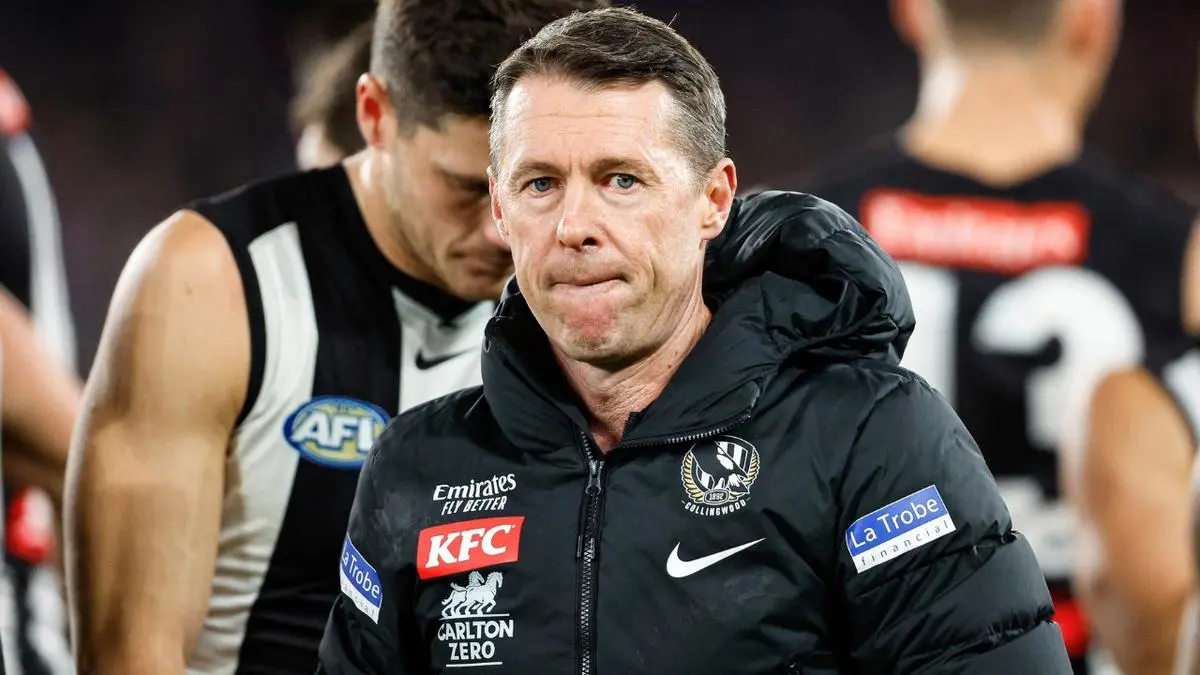
According to multiple club insiders, players returned to the dressing room furious and emotionally shattered after believing victory had been taken away from them through officiating incompetence. Several footballers allegedly replayed controversial moments on phones and tablets inside the rooms while coaches attempted unsuccessfully to calm the growing anger. One witness later described the atmosphere as “borderline explosive,” claiming some players were so emotional they could barely speak during post-match meetings. Staff reportedly feared the emotional fallout could destabilize the club mentally during one of the most important stretches of the season.
At the center of the storm stood Craig McRae.
Normally respected throughout the AFL as calm, thoughtful, and composed under pressure, the Collingwood coach reportedly erupted after reviewing the match footage privately with club officials. Sources close to the club claimed McRae was left absolutely furious after seeing several disputed decisions from additional broadcast angles unavailable during the game itself. Witnesses described deeply emotional scenes behind closed doors as McRae allegedly demanded answers regarding officiating standards and questioned how multiple crucial errors could occur during one of the league’s highest-profile matches.
“He believes the club was robbed outright,” one insider reportedly revealed.
The anger only intensified after Laura Kane officially addressed the controversy publicly. During an extraordinary AFL statement, the Head of Football admitted the league had identified “clear officiating mistakes” after reviewing the complete match footage alongside umpiring analysts and football operations officials. Kane reportedly described herself as “deeply saddened” and “very disappointed” by the errors, acknowledging that several decisions during critical moments of the game failed to meet AFL expectations. The statement immediately sent shockwaves across Australian football because public admissions of significant officiating mistakes from senior AFL leadership remain extremely rare.
But instead of calming the outrage, the apology triggered even greater fury.
Collingwood supporters exploded online after many interpreted the statement as confirmation that the match had effectively been compromised by officiating incompetence. Fans flooded social media accusing the AFL of trying to “save face” only after public pressure became impossible to ignore. Others questioned why clubs and players were forced to accept emotional and competitive damage after errors severe enough to warrant a formal public apology from league leadership. Several major supporter accounts even began demanding replayed matches, official sanctions against umpires, and compensation for what they described as “competitive sabotage.”
Meanwhile, Craig McRae reportedly refused to accept the apology privately.
According to multiple reports emerging from inside the club, the Collingwood coach informed senior staff he was considering demanding a fully independent external investigation into the officiating process surrounding the match. Some insiders even claimed legal options were briefly discussed internally amid fears that repeated controversial decisions throughout the season were creating broader integrity concerns regarding umpiring consistency. Although no formal legal filing had been confirmed, the mere possibility of a club considering legal escalation against the AFL stunned the football world.
The situation quickly escalated into one of the biggest officiating controversies Australia had seen in years.
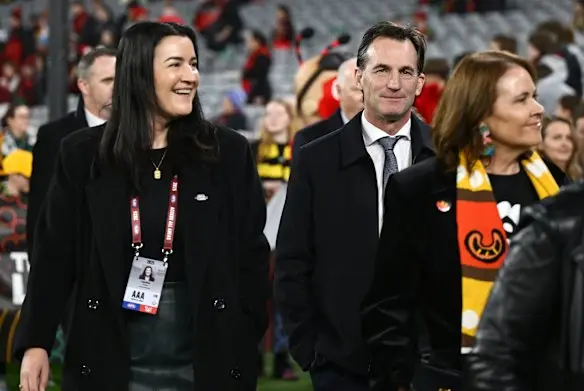
Television panels became emotional battlegrounds as former players, journalists, and analysts argued fiercely over whether Collingwood had genuinely been denied a fair result. Some experts defended the umpires, insisting AFL officiating occurs under enormous pressure with split-second decision-making impossible to perfect completely. Others argued the league’s public apology itself proved the errors were too serious to dismiss as ordinary human mistakes. Several commentators even warned that public trust in AFL officiating could collapse if transparency and accountability were not significantly improved moving forward.
Inside AFL headquarters, panic was reportedly growing.
League officials allegedly became deeply concerned about the emotional intensity of the backlash and the growing perception that the competition’s integrity was being publicly questioned. Emergency meetings involving football operations staff, integrity officials, and umpiring departments were reportedly held late into the night as the league scrambled to prevent the controversy from spiraling further out of control. Some reports suggested the AFL feared the situation could permanently damage public confidence if supporters began believing major matches were being decided by officiating failures rather than football performance.
The emotional toll on players reportedly became increasingly severe as the controversy continued dominating national headlines. Several Collingwood footballers were allegedly left mentally exhausted after days of nonstop media scrutiny, online debates, and repeated replaying of controversial moments across television broadcasts. Club welfare staff reportedly increased support measures internally amid concerns that players were struggling emotionally with the belief that their efforts on the field had been overshadowed by umpiring chaos beyond their control.
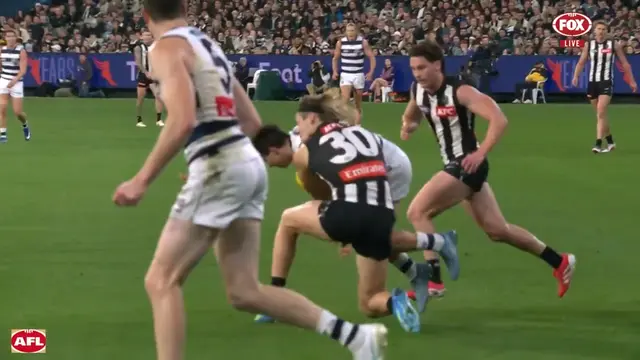
As Australia woke up this morning, the AFL remained trapped inside a controversy showing no signs of disappearing. Laura Kane’s apology had failed to stop the anger. Craig McRae’s fury was still escalating. Collingwood supporters were still demanding accountability. And the football world continued tearing itself apart over whether the Magpies had truly been victims of catastrophic officiating incompetence or whether the outrage itself had spiraled far beyond reason.
But one thing had become impossible to ignore.
What started as a controversial AFL match had now evolved into something much larger — a national crisis involving trust, integrity, pressure, emotion, and the terrifying realization that one night of officiating chaos may have permanently changed the relationship between the AFL and one of its biggest clubs forever.