

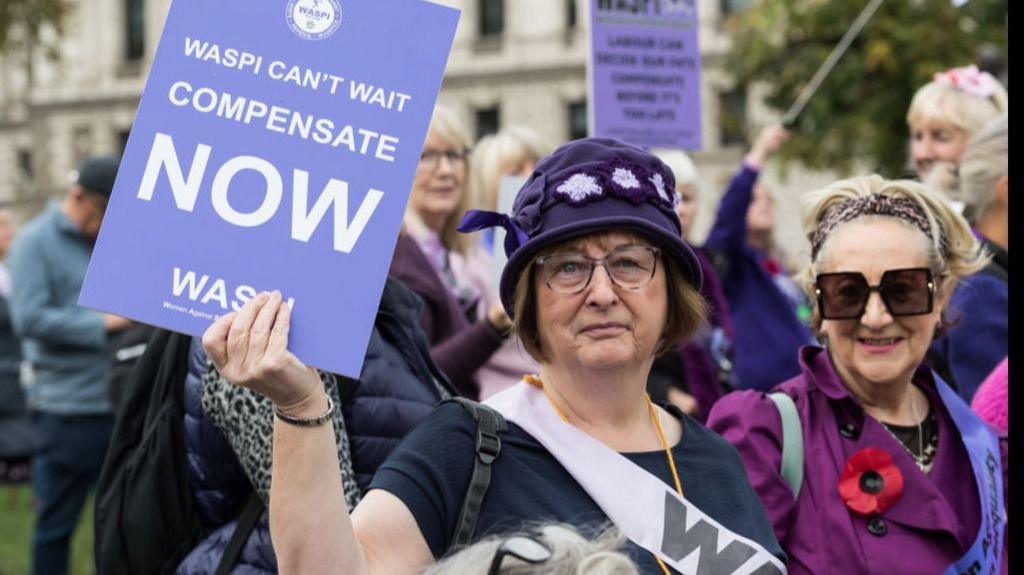
WASPI campaigners have been fighting for over a decade to get DWP compensation (Image: Getty)
The WASPI campaign (Women Against State Pension Inequality) has doubled down on its calls to get compensation. The campaigners have fought for over a decade to get payouts from the DWP for the millions of 1950s-born women affected by the increase in the state pension age for women, from 60 to 65 and then 66.
They claim that the DWP failed to properly inform the women of the change, with many of their retirement plans ruined when the found out at the last minute. They are awaiting the Government to issue a new decision on the question of how the issue should be remedied.
Labour announced in December 2024 that there would be no compensation, despite the Parliamentary and Health Service Ombudsman previously recommending the women should get between £1,000 and £2,950, after they investigated the matter. However, ministers did accept the Ombudsman’s conclusion that there was ‘maladministration’ on their part, as they should have sent out letters to the women sooner.
Ministers then announced in December 2025 that they would re-take the decision. This was just before the DWP was due to appear in the high court for a judicial review of the original decision, which WASPI had applied for.
In the original decision, ministers also promised to implement an action plan to improve its communication efforts going forward, after the Ombudsman called for this to be improved in its report. But with little progress on this a year on, the Ombudsman wrote to the Work and Pensions Committee in January 2026 to say they had “serious concerns” about the lack of action.
Appearing before the committee on January 21, DWP permanent secretary Peter Schofield explained the reason for the delay. He said: “There’s a formal, serious exercise going on, which is retaking a really important decision by Government.
“The action plan itself flows from a previous decision, that has now been retaken, so there’s a formal Government process here underway. That means I’ve got to stop work on the implementation of the previous decisions. That’s the formal position that I’m under.”
Representatives of WASPI were there in Parliament to watch the DWP give account. Speaking afterwards, WASPI campaign chair Angela Madden said: “We didn’t expect much from the committee meeting because it’s more to do with the performance of the DWP.”

But she said they will continue to push for compensation. She said: “Our focus will remain on encouraging the minister to implement the Ombudsman’s recommendations in full rather than picking or choosing.”
The new decision is set to be announced by early March. This date was agreed as part of an out-of-court settlement between DWP and WASPI, to settle the judicial review claim.
Tensions rose sharply in the United Kingdom this week as the long-running dispute over state pension changes returned to the political spotlight. The debate centers on the campaign led by Women Against State Pension Inequality—widely known as WASPI—which represents thousands of women who say they were unfairly affected by sudden changes to the retirement age. Following a heated exchange in Parliament, Members of Parliament clashed with the Department for Work and Pensions (DWP), bringing the issue back into national focus and reigniting calls for compensation.
For years, the WASPI movement has argued that many women born in the 1950s were not properly informed when the government accelerated plans to raise the state pension age. Originally, the United Kingdom had different retirement ages for men and women. Over time, legislation aimed to equalize the pension age and later increase it further to reflect longer life expectancy and economic pressures on the public pension system. While the policy changes themselves were widely debated, campaigners insist the key problem was the lack of adequate communication with those most affected.
According to WASPI supporters, many women had planned their retirements around the expectation that they would receive their state pension at age 60. Instead, the reforms gradually pushed the eligibility age higher—first to 65 and then beyond. Some women reportedly learned about the changes only a few years before they expected to retire, leaving them with limited time to adjust financially or alter long-term plans. The campaign argues that the issue is not necessarily the policy itself but the way it was communicated.
The renewed attention comes after a tense parliamentary session in Westminster where MPs questioned officials from the Department for Work and Pensions about how the changes were implemented. Lawmakers from multiple parties pressed for clearer answers regarding whether the government had sufficiently informed affected citizens and whether additional support should now be considered.
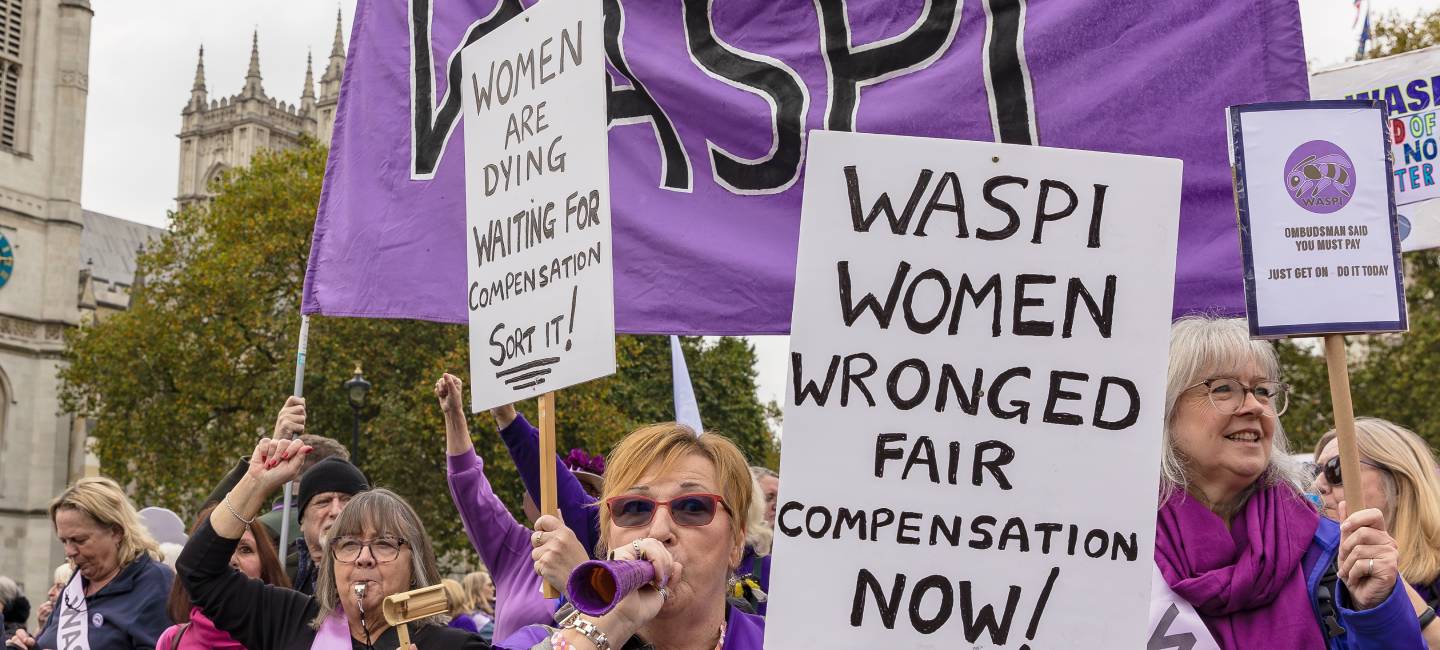
The debate also connects to a wider review conducted by the Parliamentary and Health Service Ombudsman, which has examined complaints about how information regarding the pension age changes was delivered. The ombudsman’s investigation concluded that there were instances of maladministration in how the government communicated the reforms. As a result, the report recommended that potential remedies—including compensation—should be explored for those who suffered financial hardship because they were not properly informed.