
Novak Djokovic’s sudden withdrawal from the Miami Open 2026 has sent shockwaves through the tennis world, instantly reshaping the tournament landscape. What was expected to be a dominant campaign by the Serbian legend has turned into one of the most unpredictable draws in recent memory.
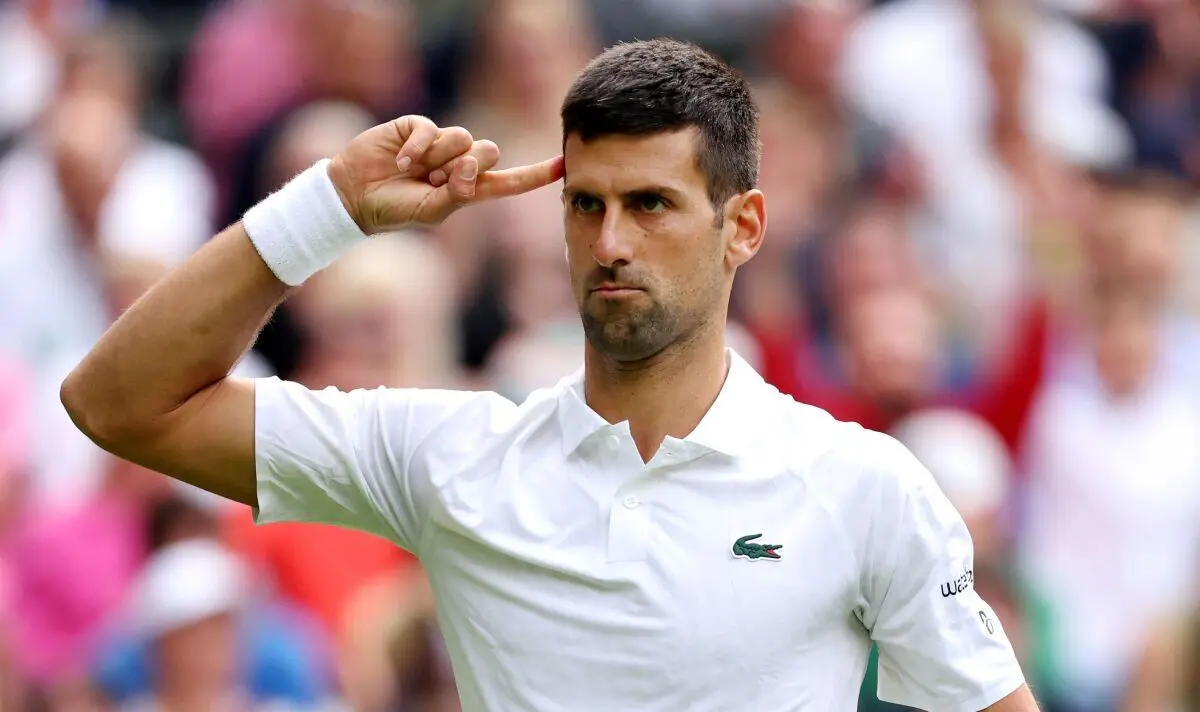
The announcement came with a striking statement: “I was forced to withdraw… and I had no other choice.” Those words immediately sparked concern, speculation, and intense discussion among fans, analysts, and fellow players across the global tennis community.
Until the moment of withdrawal, Djokovic was widely considered the clear favorite. His recent form, combined with his experience and consistency, positioned him as the player to beat, making his absence even more impactful for the Miami Open 2026.
According to sources close to his team, the decision was linked to a worsening leg injury that had been developing over time. While initially manageable, the condition reportedly reached a point where competing at full intensity was no longer possible.
During training sessions leading up to the tournament, Djokovic is believed to have experienced increasing discomfort. Despite attempts to manage the issue through adjusted workloads and medical support, the situation failed to improve as expected.
In professional tennis, leg injuries can be particularly limiting. The sport demands explosive movement, rapid direction changes, and sustained endurance, all of which place immense strain on the lower body, especially during high-stakes matches.
Djokovic’s playing style, built on flexibility, balance, and defensive coverage, relies heavily on physical precision. Even a slight limitation in movement can disrupt his rhythm and reduce his competitive edge against top-level opponents.
Medical advisors reportedly warned that continuing to play could lead to more severe damage. Faced with this risk, Djokovic made the difficult decision to withdraw, prioritizing long-term health over short-term competition.
The timing of the withdrawal has amplified its impact. Occurring just before his opening match, it left little time for adjustments, forcing organizers and players to adapt quickly to the sudden change.
The tournament draw, once structured around Djokovic’s presence, has now been thrown into complete disarray. Players who were expected to face him in later rounds suddenly find themselves on a very different path.
This unexpected shift has opened the door for a wide range of contenders. Without the tournament’s top favorite, the competition has become significantly more balanced, increasing uncertainty and excitement for fans.
Several emerging players now see a rare opportunity to advance deeper into the tournament. The absence of a dominant figure creates space for new narratives and potential breakthroughs on one of tennis’s biggest stages.
At the same time, established players must adjust their strategies. The psychological dynamic of the tournament has changed, with new expectations and pressures shaping each match.
Fans have reacted with a mix of disappointment and concern. Djokovic’s presence is a major draw, and his absence leaves a noticeable void, both in terms of competition and overall atmosphere.
Social media has been flooded with reactions, with many expressing support for Djokovic’s decision while also speculating about the severity of his injury and its potential impact on the rest of the season.
Experts have emphasized the importance of caution in such situations. Continuing to play through injury can have long-term consequences, potentially affecting performance in future tournaments.
For Djokovic, the decision reflects a strategic approach to his career. With major events still ahead, preserving his physical condition is essential to maintaining his competitive level.
The statement “I had no other choice” has become a focal point of discussion. It suggests that the decision was not merely precautionary but driven by circumstances that left no viable alternative.
Analysts have noted that Djokovic’s history of resilience makes this moment particularly significant. Known for overcoming challenges, his withdrawal indicates the seriousness of the situation.
The Miami Open now enters a new phase, defined by unpredictability. Matches that once seemed straightforward are now open-ended, with outcomes that are harder to predict.
Tournament organizers are also adapting to the change. Adjustments to scheduling and promotion reflect the absence of one of the sport’s most recognizable figures.
Despite the setback, Djokovic’s future remains a key topic of interest. Fans and analysts alike are looking ahead, wondering how quickly he can recover and return to competition.
Recovery from a leg injury requires careful management. Rest, rehabilitation, and gradual reintroduction to training are critical steps in ensuring a successful comeback.
Djokovic’s team is expected to monitor his condition closely, balancing the desire to return quickly with the need to avoid further complications.
The broader tennis community continues to follow developments closely. Updates on his condition are likely to influence expectations for upcoming tournaments and the overall competitive landscape.
For now, the focus remains on the Miami Open, which has been transformed by his absence. New contenders are emerging, and the tournament’s narrative is evolving with each match.
Ultimately, Djokovic’s withdrawal serves as a reminder of the physical demands of professional tennis. Even the greatest players must sometimes step back to protect their long-term careers.
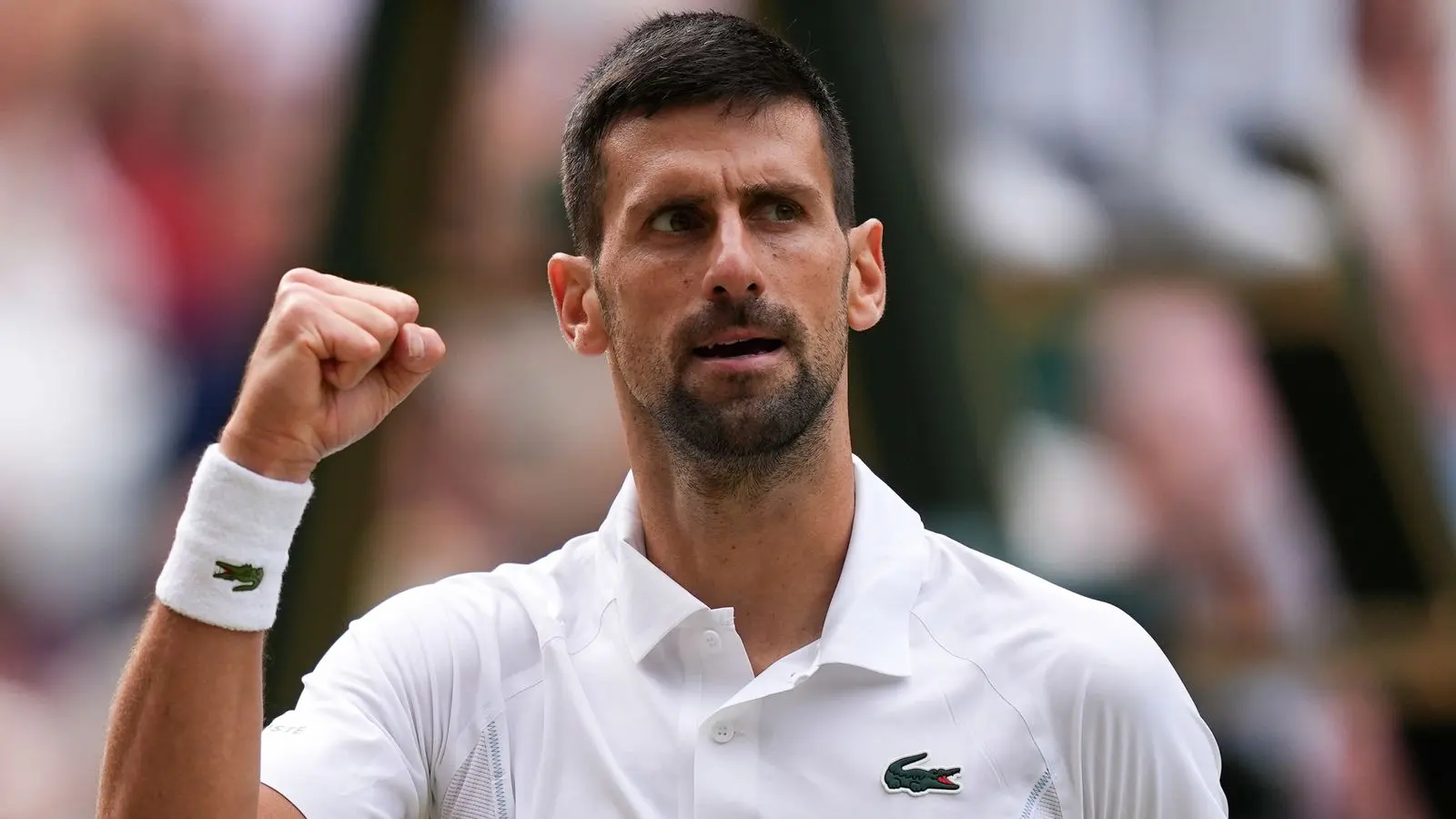
As the tournament unfolds, one thing is certain: the story of Miami Open 2026 will always include this pivotal moment — when the favorite stepped aside, and the entire draw changed overnight.