
The cycling world has been thrown into emotional chaos after Lotte Kopecky reportedly opened up about deeply personal struggles she claims to have hidden behind her public image for nearly three decades — and the reaction online has become as intense as it is divided.
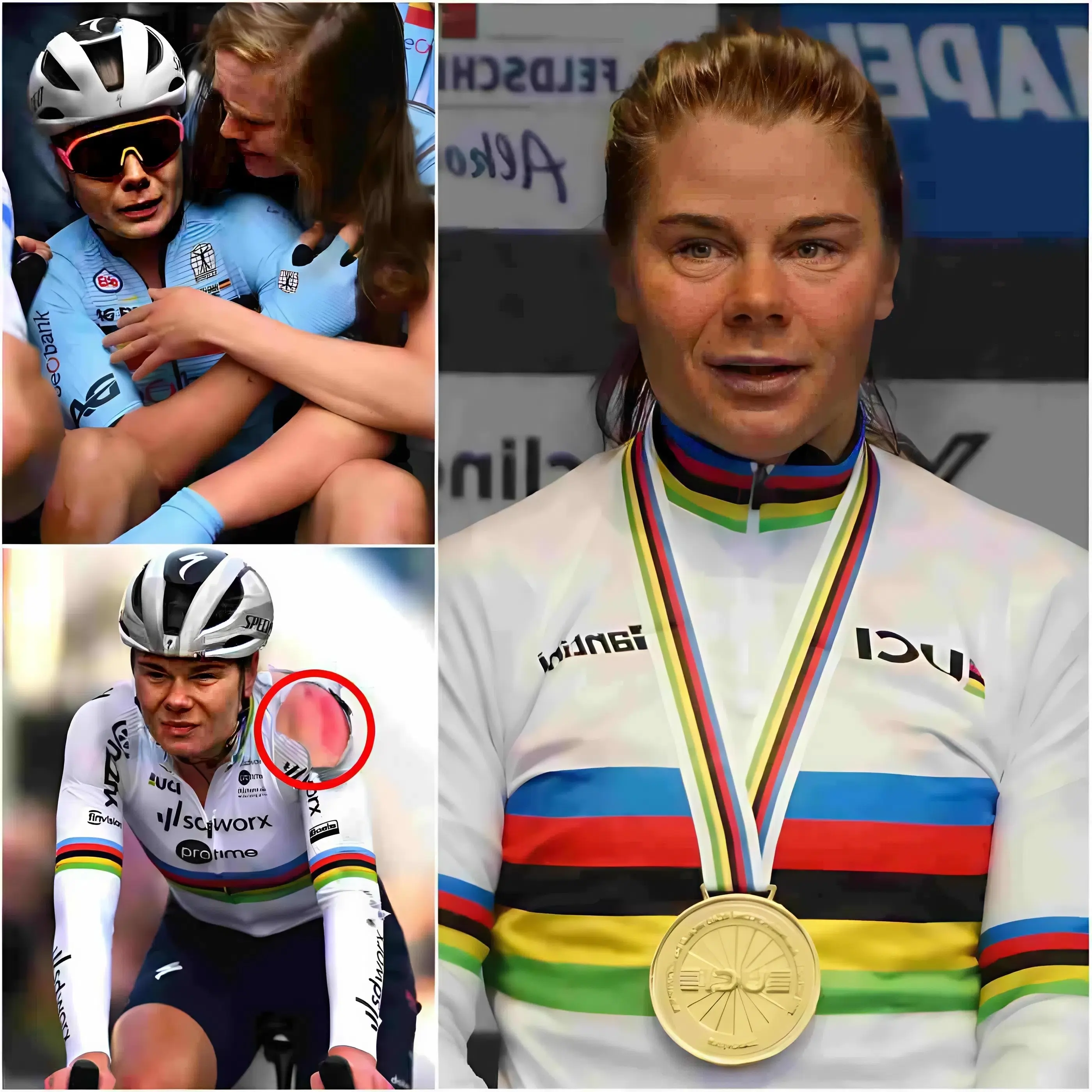
For years, fans viewed Kopecky as one of the strongest and most composed personalities in professional cycling. Whether dominating races, speaking confidently in interviews, or carrying the expectations of an entire nation during major events, she appeared to embody calmness, resilience, and control.
But according to recent reports, that image may have hidden a very different reality behind the scenes.
In an emotional confession that quickly spread across social media and sports headlines, the Belgian cycling star allegedly admitted she spent years battling pressure, emotional exhaustion, private pain, and moments of silent breakdowns while continuing to smile publicly in front of cameras, supporters, and even teammates.
“I kept pretending everything was okay,” Kopecky reportedly revealed during the conversation that has now sparked massive debate across the cycling community.
Those words immediately triggered an avalanche of reactions online.
Many fans praised Kopecky for what they described as extraordinary honesty in a sport where athletes are often expected to appear mentally unbreakable no matter what they are experiencing privately. Supporters flooded social media with messages calling the revelation “human,” “brave,” and “painfully relatable.”
/origin-imgresizer.eurosport.com/2023/08/13/3762433-76538588-2560-1440.jpg)
Several fans argued that elite athletes face enormous psychological pressure that the public rarely sees, especially when constant expectations, media attention, sponsorship obligations, and national pride become attached to their performances.
“People only see the victories and smiles,” one supporter wrote online. “They don’t see the nights athletes spend mentally exhausted and emotionally drained.”
Others applauded Kopecky for potentially helping younger athletes understand that emotional struggles can exist even behind successful careers.
But not everyone reacted sympathetically.
Almost immediately, critics began questioning the timing of the revelation, especially as pressure and scrutiny surrounding Kopecky’s recent performances and public image have intensified in recent months. Some online commentators accused the cyclist of deliberately making emotional disclosures to regain public sympathy or redirect attention away from growing criticism inside the cycling world.
“This suddenly appears right when people are questioning her,” one critic posted. “That timing feels very convenient.”
Others argued that modern sports culture increasingly rewards emotional confessions with publicity, attention, and protection from criticism, creating skepticism whenever high-profile athletes publicly discuss personal struggles.
That debate quickly became one of the biggest talking points across cycling media platforms.
Television analysts, former riders, and journalists began discussing the complicated relationship between athletes, vulnerability, and public perception in the social media era. Some defended Kopecky strongly, insisting there should never be suspicion toward someone discussing emotional pain publicly.
Others warned that modern audiences have become deeply cynical about emotional storytelling in sports because of how frequently personal narratives become intertwined with branding, media attention, and fan engagement.
Still, what truly pushed the controversy to another level was not only Kopecky’s emotional admission itself — but a rumor that began spreading afterward regarding something she allegedly said once the official cameras were no longer recording.
According to unverified claims now circulating heavily online, Kopecky reportedly made an off-camera remark suggesting she had become emotionally exhausted from constantly “performing strength” for the public and media.
That alleged detail has become the center of intense speculation.
Some fans interpret the reported comment as heartbreaking evidence of the emotional pressure elite athletes experience when forced to maintain perfect public images no matter how difficult life becomes privately.
Others believe the remark raises uncomfortable questions about authenticity itself.
“If she says she was performing strength all these years, then people naturally wonder what was real and what wasn’t,” one social media user argued during a heated discussion.
Another supporter responded immediately: “People are misunderstanding her completely. Surviving emotionally doesn’t mean someone was fake.”
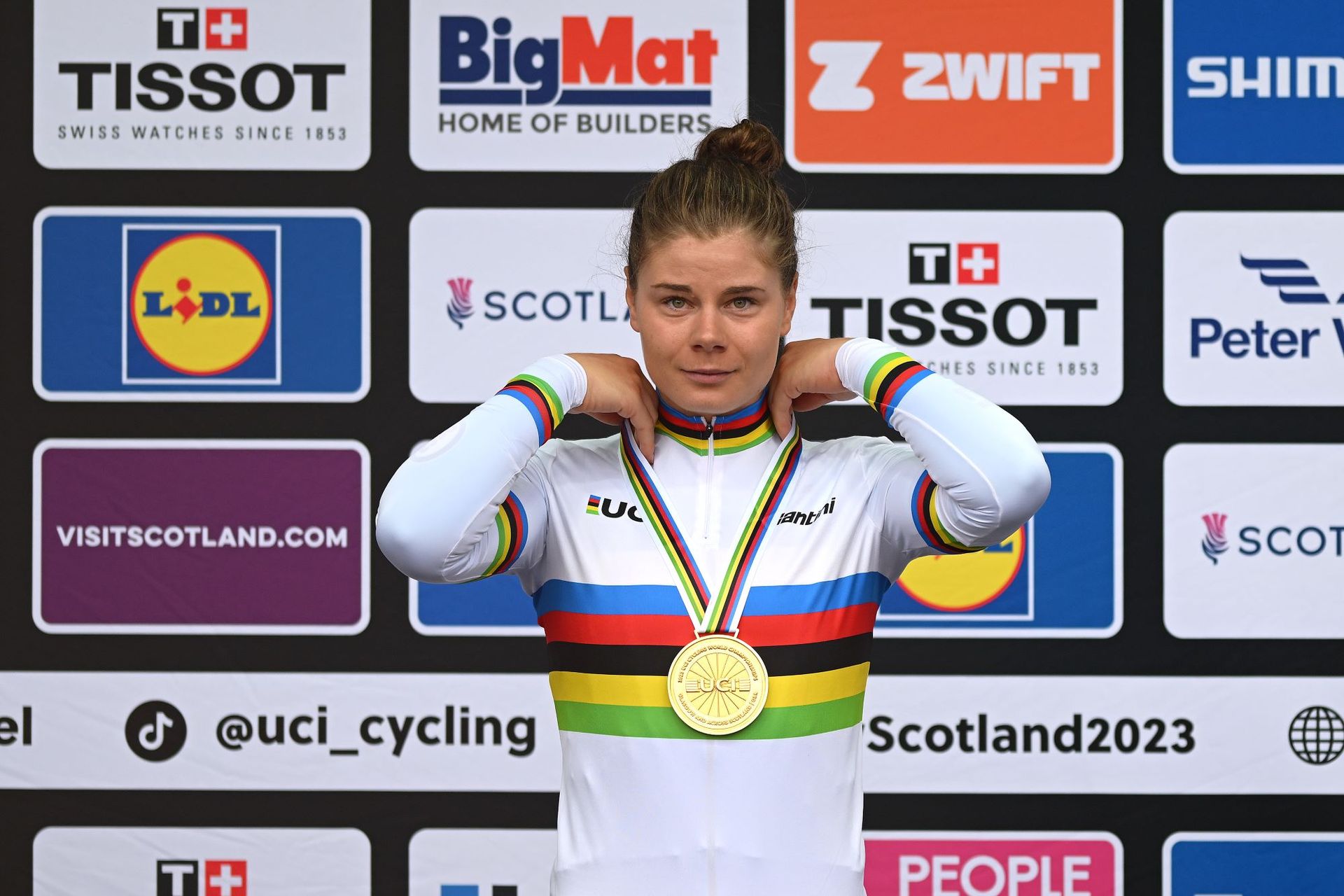
That disagreement now sits at the heart of the growing controversy.
Was Kopecky courageously exposing the emotional reality behind elite sport — or unintentionally causing fans to question the authenticity of the public persona they supported for years?
The conversation has expanded far beyond cycling results or race performances.
Mental pressure in professional sport has become an increasingly sensitive topic in recent years as more athletes across multiple disciplines openly discuss burnout, anxiety, depression, emotional isolation, and the psychological consequences of life under constant scrutiny.
Yet despite growing awareness, public reactions often remain deeply divided whenever major athletes reveal vulnerability.
Some fans embrace those moments as important reminders that elite competitors are still human beings beneath fame and success. Others react with skepticism, especially when emotional revelations emerge during periods of criticism or controversy.
Kopecky now finds herself directly in the center of that cultural divide.
Sources close to the cycling environment reportedly claim the Belgian rider has been under extraordinary pressure for years due to expectations from sponsors, national media, race organizers, and supporters who constantly viewed her as one of the sport’s most dependable stars.
Insiders also suggest the emotional demands of maintaining a strong public identity while privately struggling may have become increasingly difficult over time.
Still, critics continue questioning why the revelations surfaced publicly now rather than earlier in her career.
Meanwhile, supporters insist that emotional honesty should not automatically be treated as manipulation simply because it happens in public view.
As the debate continues exploding online, one thing has become impossible to ignore:
The public image fans believed they understood for years now appears far more complicated than many ever imagined.
And with speculation continuing around what Kopecky allegedly revealed after cameras stopped rolling, supporters and critics remain locked in a fierce argument over the same unsettling question:
Was the world finally seeing the real Lotte Kopecky for the first time… or witnessing another carefully controlled chapter of the image everyone already knew?