
The Australian swimming community was left stunned after Cameron McEvoy unexpectedly withdrew from the 2026 Australian Swimming Trials. The announcement arrived without warning, immediately generating concern among fans, fellow athletes, coaches, and sports analysts across the country.
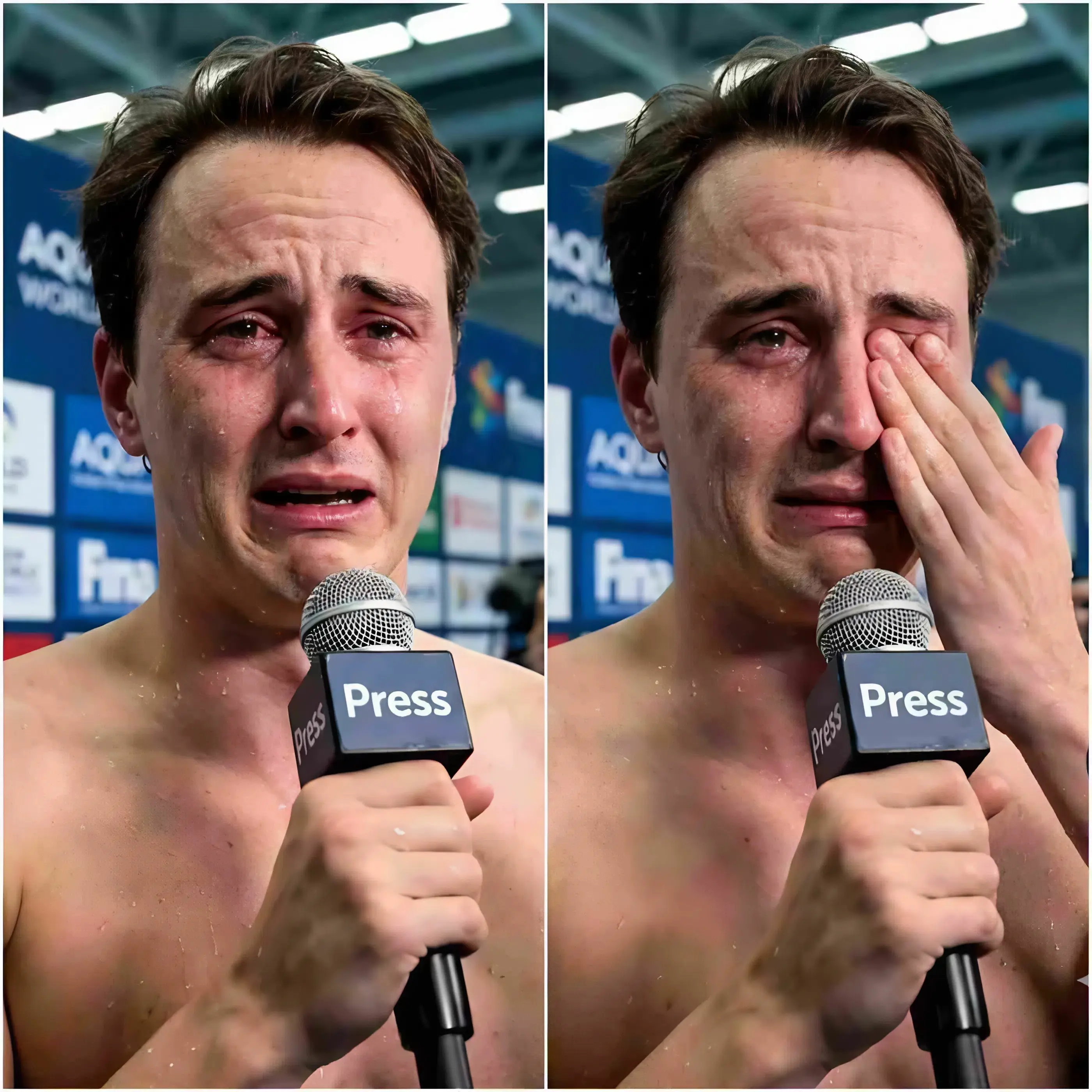
For many supporters, the timing of the withdrawal was particularly surprising. McEvoy had been viewed as one of the most experienced competitors preparing for another major international campaign, making his sudden absence one of the biggest stories of the event.
Social media platforms erupted with speculation within minutes. Fans attempted to determine whether the decision was related to injury, personal circumstances, training concerns, or strategic planning ahead of future competitions on the international swimming calendar.
The uncertainty only increased public curiosity. Throughout the day, swimming enthusiasts followed every update closely, hoping that the Australian sprint specialist would eventually provide a detailed explanation regarding the unexpected development.
McEvoy has built a reputation for professionalism and resilience throughout his career. As a result, many observers found it difficult to believe that he would withdraw from such an important event without a compelling reason.
The Australian Swimming Trials traditionally serve as one of the most significant competitions in the national sporting calendar. Athletes use the event to secure positions on teams representing Australia at major international championships.
Because of the event’s importance, McEvoy’s absence quickly became the dominant topic of conversation among journalists covering the competition. Questions emerged regarding the potential impact on both the athlete and the Australian team.
Hours after the initial announcement, anticipation intensified as fans waited for an official statement. Many expected McEvoy to address rumors directly and provide clarity regarding circumstances that remained largely unknown to the public.
Eventually, the veteran swimmer broke his silence. In a carefully delivered statement, McEvoy explained that the decision had not been made lightly and reflected a combination of personal reflection and professional considerations.
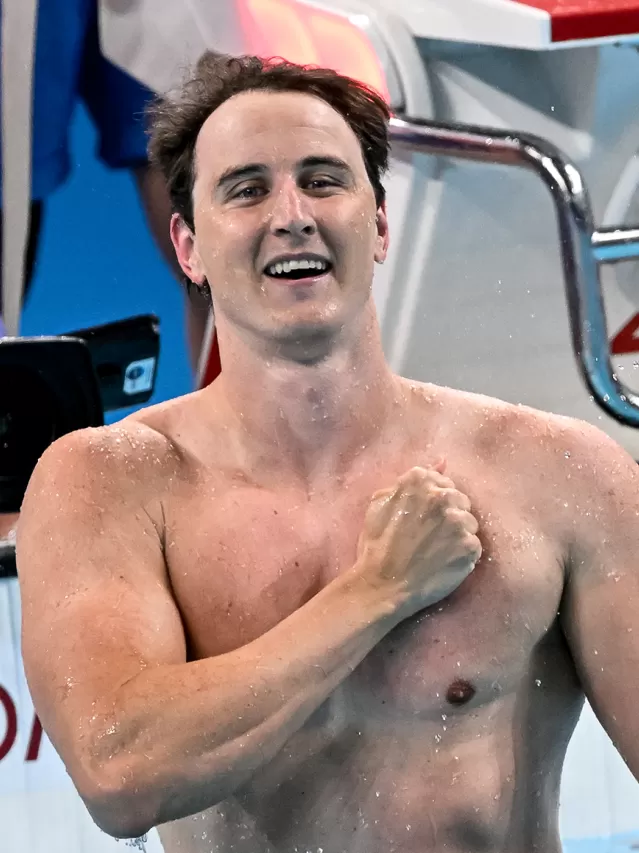
According to those who followed his comments, McEvoy emphasized the importance of making responsible decisions regarding long-term athletic performance. He suggested that continuing under current circumstances would not have served his best interests.
His remarks immediately changed the tone of public discussion. Rather than fueling additional controversy, the explanation encouraged many supporters to focus on the broader challenges faced by elite athletes throughout demanding careers.
Professional swimming requires extraordinary commitment. Athletes spend countless hours training, traveling, recovering, and competing while balancing expectations from coaches, sponsors, supporters, and national sporting organizations.
McEvoy acknowledged these realities in his statement. He reportedly described the decision as difficult but necessary, emphasizing that elite competitors must sometimes prioritize long-term wellbeing over short-term participation opportunities.
The response generated widespread sympathy among fans. Many praised his honesty and appreciated the thoughtful manner in which he addressed a situation that had created significant speculation throughout the swimming community.
Several former athletes publicly supported his decision. They noted that professional sports often involve difficult choices that remain invisible to the public despite carrying substantial emotional and physical consequences for competitors.
Swimming analysts highlighted the unique pressures associated with sprint events. Maintaining peak performance requires exceptional physical preparation, and even minor disruptions can significantly influence results at the highest competitive levels.
Supporters argued that McEvoy had earned the right to make decisions based on his personal circumstances. After years of representing Australia with distinction, many believed his judgment deserved respect rather than criticism.
As the news spread internationally, reactions from fellow swimmers reflected similar understanding. Many athletes recognized the challenges associated with sustaining elite performance across multiple competitive cycles and major championships.
The withdrawal also prompted broader conversations regarding athlete wellbeing. Increasingly, sports organizations and supporters acknowledge the importance of mental health, recovery, and sustainable career management within high-performance environments.
For younger swimmers attending the trials, the situation offered an important lesson. Success in sport involves more than competition results alone; it also requires making informed decisions that protect long-term development and wellbeing.
Observers noted that public attitudes toward athlete withdrawals have evolved considerably in recent years. Situations once interpreted negatively are now often viewed through a more balanced and compassionate perspective.
Despite his absence from competition, McEvoy remained one of the most discussed figures at the trials. His legacy and achievements ensured that supporters continued following developments related to his future plans.
Many fans expressed hope that the withdrawal represented a temporary setback rather than the conclusion of his competitive journey. Messages of encouragement flooded social media platforms shortly after his statement became public.
Sports commentators emphasized that elite careers rarely follow predictable paths. Unexpected challenges frequently emerge, requiring athletes to adapt and make difficult decisions that outsiders may struggle to fully understand.
The Australian swimming program has historically demonstrated remarkable depth. Nevertheless, McEvoy’s absence created opportunities for emerging competitors eager to establish themselves among the country’s leading sprint specialists.
Young swimmers competing at the trials suddenly found themselves receiving additional attention. Analysts explored whether a new generation might seize the opportunity to accelerate its development on the national stage.
At the same time, many observers cautioned against framing the situation solely as a competitive story. They argued that the human dimensions of the decision deserved equal consideration and understanding.
McEvoy’s explanation appeared to resonate with a broad audience because of its sincerity. Rather than offering vague responses, he reportedly addressed the situation directly while maintaining professionalism and composure.
That approach earned praise from journalists and fans alike. Many believed the statement demonstrated maturity and reinforced the qualities that have made him one of Australia’s most respected swimming figures.
The reaction also reflected growing appreciation for transparency in modern sport. Supporters increasingly value honest communication from athletes navigating complex circumstances throughout their professional careers.
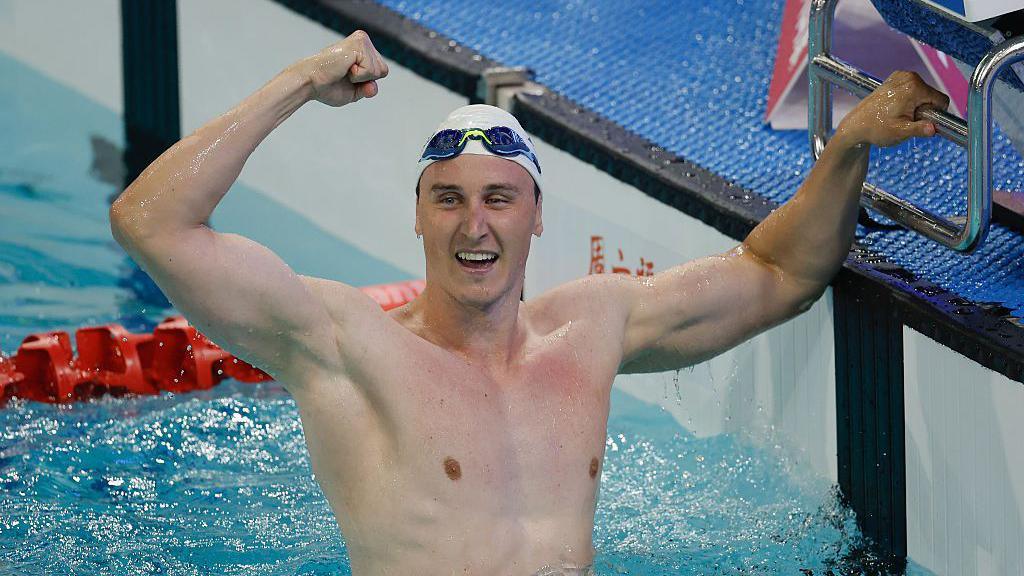
Industry experts suggested that the incident could contribute to ongoing discussions regarding scheduling, recovery, and athlete workload within elite swimming. Such conversations continue gaining importance across numerous sports disciplines.
Meanwhile, attention gradually shifted toward what comes next. Questions emerged regarding McEvoy’s future goals, training plans, and potential return to competition in upcoming national and international events.
Although no definitive timeline was immediately provided, supporters remained optimistic. Many pointed to his experience, determination, and history of overcoming challenges as reasons to remain confident about future possibilities.
Throughout his career, McEvoy has demonstrated remarkable perseverance. His ability to adapt and evolve has helped him remain competitive against younger rivals while maintaining a respected position within Australian swimming.
That reputation contributed significantly to the positive response following his announcement. Fans trusted that the decision reflected careful consideration rather than impulsive action, strengthening public support during a challenging moment.
Swimming Australia officials reportedly acknowledged his contributions to the sport while expressing understanding regarding the circumstances. Their response further reinforced the respectful atmosphere surrounding the announcement.
The situation also highlighted the emotional connection between athletes and supporters. Reactions demonstrated how deeply fans invest in the journeys of competitors they have followed throughout many years of competition.
For some observers, the story served as a reminder that athletes are individuals first and competitors second. Personal wellbeing remains important regardless of rankings, medals, or expectations associated with elite performance.
As coverage of the trials continued, McEvoy’s statement remained a central topic of discussion. Many commentators viewed his comments as thoughtful, responsible, and reflective of a changing sporting culture.
The broader swimming community responded with empathy rather than judgment. Such reactions illustrated increasing recognition that career decisions often involve factors extending far beyond what audiences observe publicly.
Ultimately, the significance of the announcement extended beyond a single competition. It prompted meaningful conversations about health, longevity, responsibility, and the realities faced by athletes competing at the highest levels.
Whether McEvoy returns soon or takes additional time away from competition, his influence on Australian swimming remains undeniable. His achievements continue inspiring aspiring athletes across the country and around the world.
For now, supporters remain focused on offering encouragement while awaiting future developments. The respect shown throughout the response demonstrates the admiration that many people continue to hold for the veteran swimmer.
The 2026 Australian Swimming Trials will undoubtedly be remembered for remarkable performances in the pool. Yet they may also be remembered for a moment that encouraged deeper reflection about athlete wellbeing.
As the story continues developing, one conclusion appears clear. Cameron McEvoy’s decision may have surprised the swimming world, but his calm explanation transformed uncertainty into understanding and earned widespread respect.
In a sporting landscape often dominated by results and statistics, the response served as a powerful reminder that humanity, perspective, and personal wellbeing remain essential elements of every athlete’s journey toward excellence.