
For years, golf fans have become accustomed to seeing Scottie Scheffler handle pressure with remarkable composure. Whether leading major championships, battling through difficult conditions, or responding to disappointing shots, the world No. 1 has built a reputation as one of the calmest competitors in professional golf. That is precisely why a visibly emotional moment during the Memorial Tournament immediately became one of the biggest talking points in the sport.
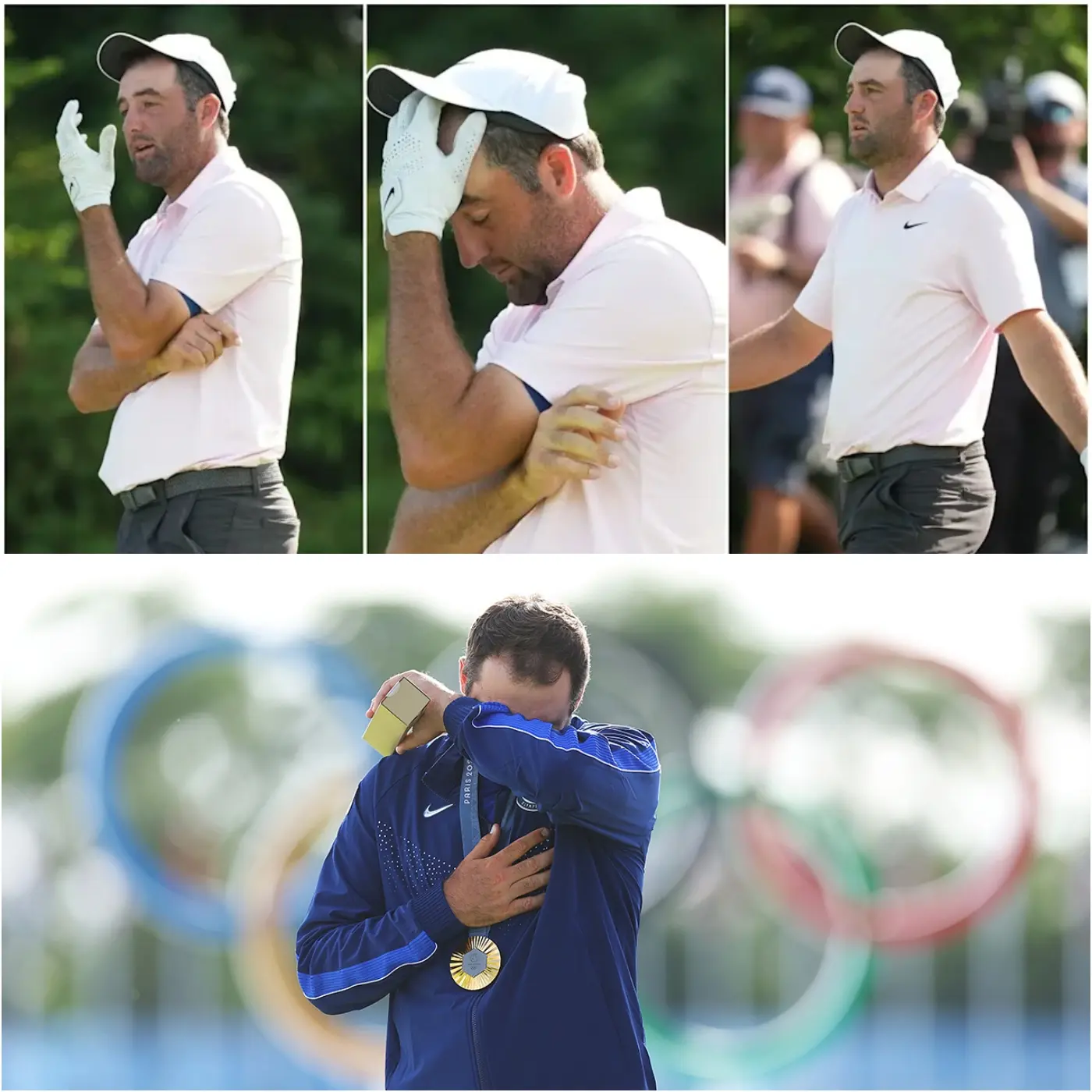
The incident unfolded during a frustrating stretch of play that appeared to test even Scheffler’s legendary patience. What began as a routine round quickly transformed into an emotional battle against difficult course conditions, unpredictable elements, and the growing pressure that comes with being the top-ranked golfer in the world.
Observers noted that Scheffler appeared increasingly frustrated after a shot that did not produce the result he expected. From his perspective, the execution seemed correct. The swing felt solid, the contact appeared clean, and the decision-making process had been carefully considered. Yet the final outcome told a completely different story.
As the consequences of the shot became clear, television microphones captured a rare glimpse into the emotional side of one of golf’s most consistent performers. Scheffler’s frustration became impossible to ignore as he expressed disbelief over what had happened and how quickly a promising situation had turned into a costly setback.
The exchange immediately attracted attention because moments like this are exceptionally uncommon for him. Fans have watched Scheffler navigate victories, defeats, and pressure-packed situations with a calm demeanor that rarely cracks. Seeing visible irritation from a player known for emotional stability instantly generated discussion across the golfing community.
Many supporters rushed to defend him. They argued that golf can be uniquely frustrating because players can make excellent swings and still receive poor outcomes due to conditions beyond their control. Unlike many sports, success is not determined solely by execution. Weather, course setup, and countless variables can dramatically influence the final result.
Others viewed the incident differently. Some critics questioned whether frustration directed toward a caddie was justified, regardless of the circumstances. They argued that maintaining composure during adversity is part of being an elite athlete and that emotional reactions can sometimes create unnecessary distractions during competition.
What makes the discussion particularly fascinating is the relationship between Scheffler and his longtime caddie, Ted Scott. Their partnership has become one of the most successful in modern golf. Together, they have celebrated victories at the highest level and built a reputation for trust, communication, and consistency.
That history led many insiders to dismiss suggestions of serious tension. Instead, they viewed the exchange as a natural moment of frustration between two individuals deeply invested in achieving success. High-level sports often involve emotional conversations that may appear dramatic in isolation but are quickly resolved once the competitive moment passes.
Still, the reaction from fans demonstrated how closely every action of a superstar athlete is scrutinized. When a lesser-known player shows frustration, the story may disappear within hours. When the world’s top-ranked golfer displays visible emotion, the moment can dominate headlines and social media discussions for days.
The episode also highlighted the enormous expectations surrounding Scheffler at this stage of his career. Success has become so routine that anything short of excellence often feels surprising. Every round is analyzed, every decision is examined, and every reaction becomes part of a larger narrative about his pursuit of greatness.
That level of scrutiny can create pressure that many casual fans never fully appreciate. Elite athletes are expected not only to perform at extraordinary levels but also to manage emotions flawlessly while millions of people watch. Any visible sign of frustration immediately becomes a subject of debate.
Several analysts pointed out that moments like this can actually humanize athletes. Fans often view dominant performers as almost immune to doubt, disappointment, or emotional swings. Seeing frustration reminds audiences that even the best players experience the same feelings that affect competitors at every level of the game.
Golf, perhaps more than any other sport, has a unique ability to create emotional extremes. A single shot can dramatically alter an entire round. Hours of disciplined play can be undone by one mistake or one unfortunate break. The psychological challenge of responding to those moments is part of what makes the sport so demanding.
Scheffler’s reaction reflected that reality. The frustration did not appear to come from laziness, lack of preparation, or poor decision-making. Instead, it seemed rooted in the feeling that he had done everything correctly only to watch circumstances produce an unfavorable result anyway.
That distinction became a major point of discussion among commentators. Many former players noted that some of the most frustrating moments in golf occur when execution and outcome fail to align. Accepting mistakes is difficult enough. Accepting bad results after good swings can feel even more challenging.
The Memorial Tournament has long been known as one of the toughest tests on the professional schedule. Demanding course conditions reward precision while punishing even minor errors. As a result, emotional reactions are not uncommon, especially when players feel opportunities slipping away.
Yet because the reaction involved Scheffler, it carried additional significance. His reputation has been built not only on winning but also on consistency and mental discipline. Watching him visibly express frustration created a contrast that captured the attention of fans who are accustomed to seeing him remain composed under pressure.
Social media quickly became a battleground of opinions. Some praised his honesty and competitiveness, arguing that the reaction demonstrated how deeply he cares about every shot. Others believed the moment revealed the challenges of carrying expectations that few athletes in golf history have experienced.
Meanwhile, supporters emphasized that passion and frustration often exist side by side. Athletes who care deeply about performance are naturally affected when things go wrong. The desire to achieve perfection can make setbacks feel especially painful, particularly during high-profile tournaments.
The conversation eventually expanded beyond the specific incident itself. Fans began discussing the broader pressures facing top athletes in modern sports. Constant media coverage, instant online reactions, and relentless expectations create an environment where even small emotional moments can become major stories.
For Scheffler, the challenge moving forward will likely be the same as it has always been: focusing on performance rather than noise. His career has repeatedly demonstrated an ability to respond positively to adversity. One emotional moment is unlikely to define a player whose achievements have consistently spoken louder than any temporary frustration.
In fact, some observers believe the incident may ultimately reinforce his image rather than damage it. Seeing genuine emotion can make athletes more relatable. Fans often connect with competitors who reveal vulnerability because it reminds them that excellence does not eliminate human emotion.
As the tournament continued, attention gradually shifted back toward scores, leaderboards, and championship aspirations. Yet the conversation surrounding Scheffler’s outburst remained alive because it touched on themes that extend beyond golf itself: pressure, expectations, frustration, and the challenge of maintaining composure when things do not go according to plan.
Whether fans viewed the moment as understandable frustration or an unnecessary display of emotion, one fact remained clear. The incident offered a rare glimpse behind the polished image of one of golf’s biggest stars. For a few moments, the world saw not just the dominant world No. 1, but a competitor struggling with the same emotions that every athlete faces when effort and outcome refuse to align.
And perhaps that is why the story resonated so strongly. It was never really about one shot, one conversation, or one difficult hole. It was about the reality that even the greatest players in the world can experience frustration, disappointment, and doubt. In a sport that constantly demands perfection while rarely delivering it, those moments may be more human than shocking.