
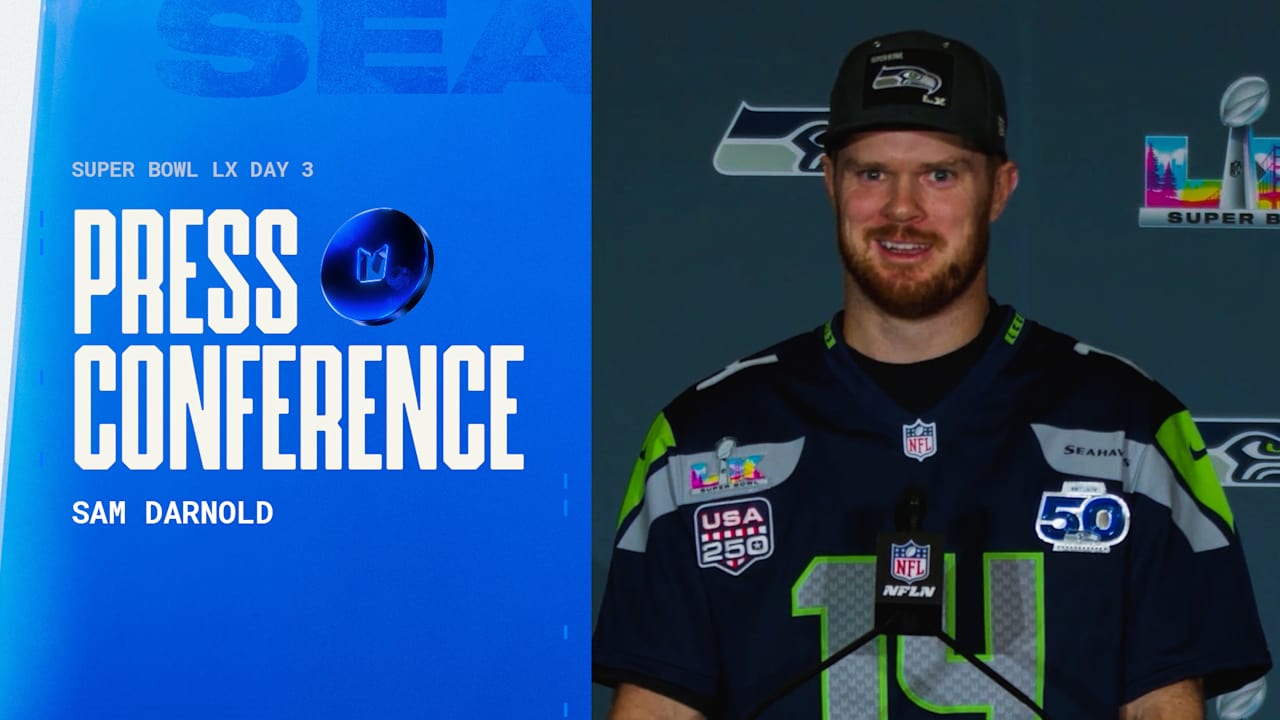
The words cut through the postgame noise like a blade, hanging in the air long after Super Bowl LX had ended and the scoreboard confirmed Seattle’s victory over New England. When Sam Darnold chose to revisit old controversies with a sarcastic jab, it wasn’t just a throwaway line meant for laughs. It landed in a moment when emotions were raw, legacies were being questioned, and a proud franchise was still processing a painful defeat.
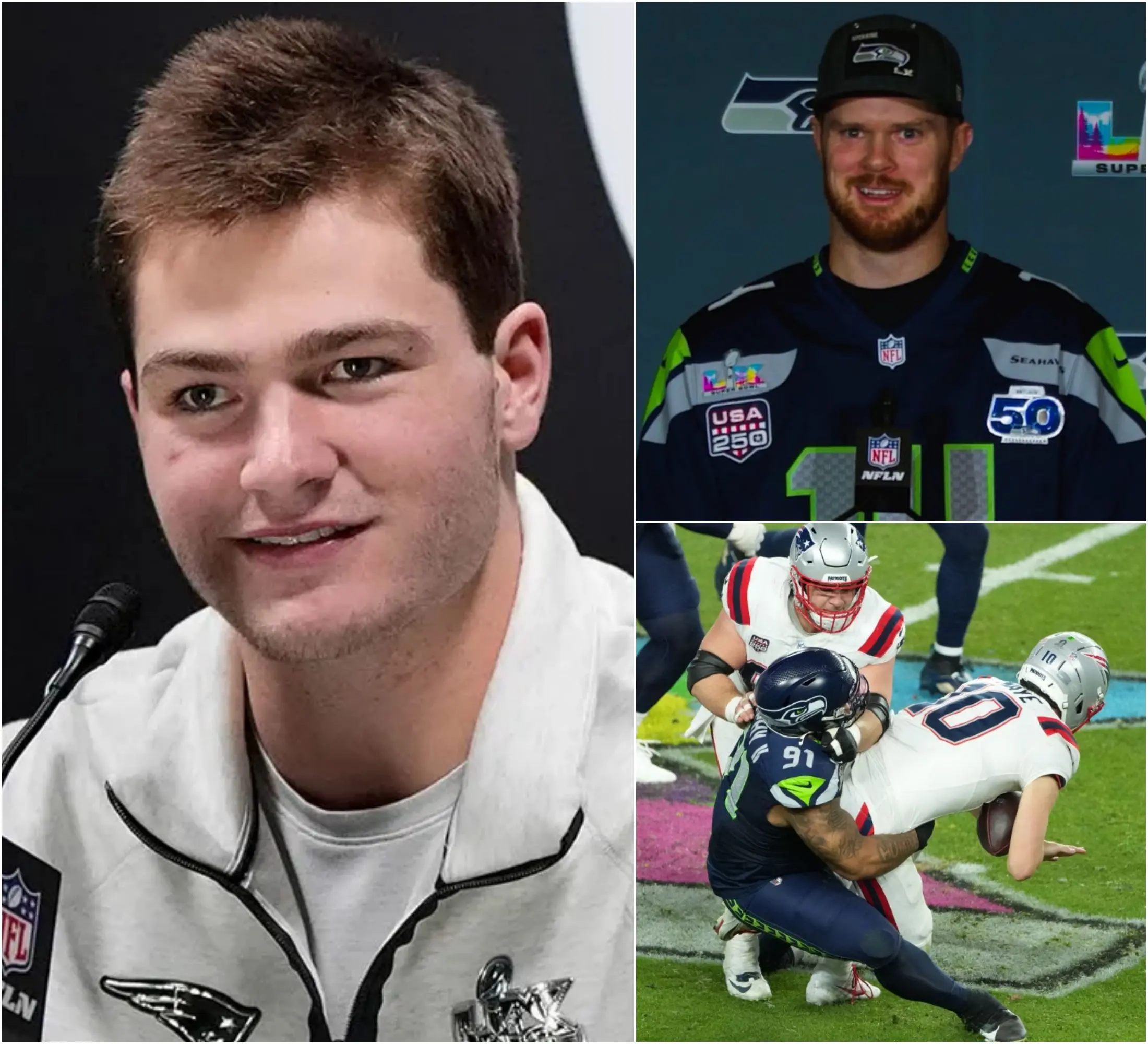
Darnold’s remark spread instantly, clipped and replayed across social platforms, sports shows, and group chats. To Seahawks fans, it felt like a victory lap laced with humor, a reminder of past scandals and present dominance. To Patriots supporters, it felt like salt in an open wound, a deliberate attempt to embarrass a team already struggling to find its footing on the sport’s biggest stage.
What made the comment sting even more was its timing. New England players were still in the locker room, staring at stat sheets and replay screens, replaying missed throws and stalled drives in their minds. In that fragile space between disappointment and resolve, Darnold’s words arrived like an echo from the outside world, reinforcing the narrative that the Patriots’ struggles were self-inflicted.
Analysts quickly weighed in, dissecting not just the game but the psychology behind the trash talk. Some argued that Darnold was simply embracing the competitive culture of the league, where verbal jabs are as much a part of the spectacle as the game itself. Others felt the reference crossed an invisible line, dragging old history into a moment that should have belonged to the present.
Inside the Patriots organization, the reaction was measured but tense. Coaches urged players to ignore the noise and focus on accountability, reminding them that responses on the field matter more than soundbites. Still, it was clear that the remark had struck a nerve, forcing players to confront how far the perception of the franchise had shifted.
For younger players, especially those who had no connection to past controversies, the jab felt unfair. They had grown up watching the Patriots as a model of success, not as a punchline. Now, they were being asked to carry the weight of a narrative they didn’t create, in a league that rarely forgets and never stops replaying history.
Fans responded in waves, flooding comment sections with anger, sarcasm, and defiance. Some demanded public responses, insisting that silence would be seen as weakness. Others urged restraint, arguing that engaging would only amplify the insult and distract from the work ahead.
The rivalry between Seattle and New England, once defined by iconic moments and championship clashes, seemed to gain a new chapter overnight. What had been a football matchup transformed into a cultural debate about respect, memory, and how teams carry their past into the present.
Media coverage intensified as cameras searched for reactions from Patriots players. Every expression, every shrug, every pause was analyzed for meaning. In such moments, even silence becomes a statement, interpreted and reinterpreted through countless lenses.
Drake Maye, still early in his professional journey, found himself at the center of the storm. As the face of New England’s future, expectations followed him everywhere, including how he would handle provocation. Observers watched closely, not just for what he might say, but for what his response would reveal about his leadership.

Teammates spoke privately about staying unified, emphasizing that distractions were inevitable but division was optional. Veterans reminded the locker room that championships are built in moments like these, when adversity tests resolve and focus.
Across the league, players offered mixed reactions. Some defended Darnold, calling it harmless banter. Others cautioned that words linger longer than highlights, capable of shaping narratives that follow players for years.
The broader conversation shifted toward sportsmanship and accountability. Fans debated whether trash talk adds excitement or undermines respect, especially when it references sensitive history. The line between competitive fire and unnecessary provocation proved difficult to define.
As days passed, the initial shock gave way to reflection. Patriots supporters began to look inward, questioning not just the comment but the performance that made it possible. Critics pointed out that silencing critics ultimately requires execution, not explanations.
Seattle, meanwhile, embraced the moment as part of their celebration. Victories invite confidence, and confidence often finds its voice. Yet even within that joy, some acknowledged that rivalries are sustained not just by wins, but by how teams carry themselves afterward.
The league itself remained quiet, allowing the discourse to play out organically. Officials understand that controversy fuels engagement, but also recognize the importance of maintaining a balance that preserves the sport’s integrity.
In New England, preparation for the offseason continued under a cloud of scrutiny. Coaches reviewed film with renewed intensity, emphasizing fundamentals and discipline. The message was clear: control what can be controlled, and let performance speak.
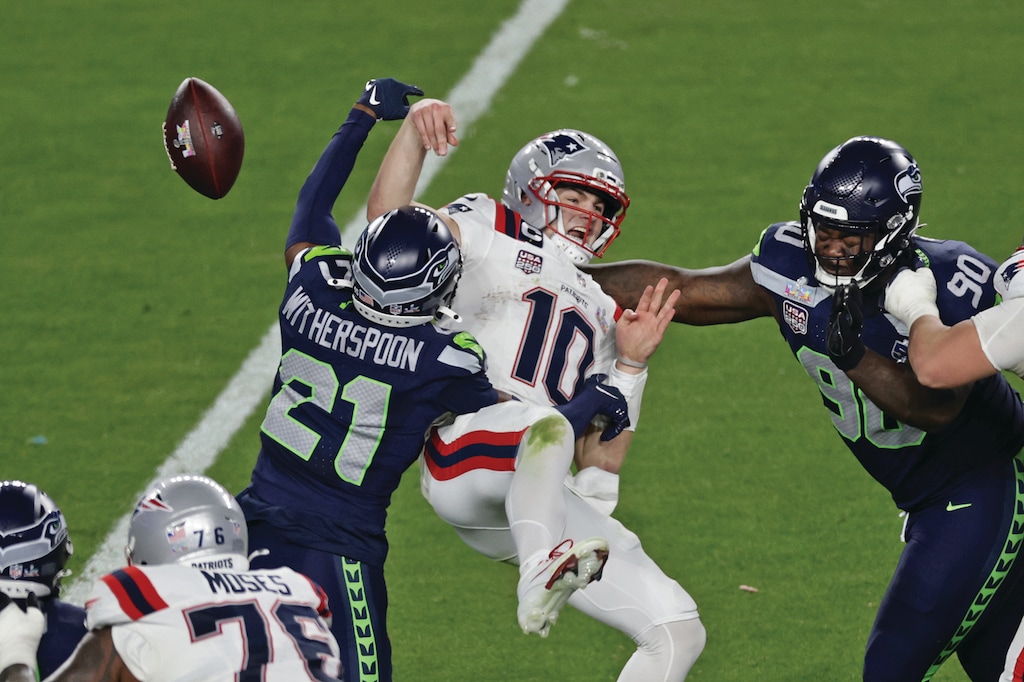
For Drake Maye, the moment represented an early test of composure. Leadership in the NFL often emerges not in scripted interviews, but in unscripted reactions to adversity. How he handled the moment would resonate beyond a single headline.
The story lingered because it touched on something deeper than trash talk. It highlighted how history follows franchises, how words can reopen old chapters, and how teams must constantly redefine themselves in the public eye.
As the noise slowly faded, one truth remained undeniable. Super Bowl LX would be remembered not only for the final score, but for the conversations it sparked afterward. In a league driven by narratives as much as numbers, those conversations often shape what comes next.
Whether the rivalry intensifies or cools will depend on future meetings, future performances, and future choices. For now, the echoes of a single remark continue to ripple through the NFL landscape, reminding everyone that in football, as in life, what is said after the whistle can matter almost as much as what happens before it.