
The international sports world once again has reason to celebrate Max Verstappen’s achievements. The Dutch Formula 1 superstar has been officially included by the renowned TIME magazine on its list of the 100 most influential people in world sport. This recognition not only underscores his exceptional achievements on the track but also the broad impact he has on fans, young drivers, and global motorsport culture.
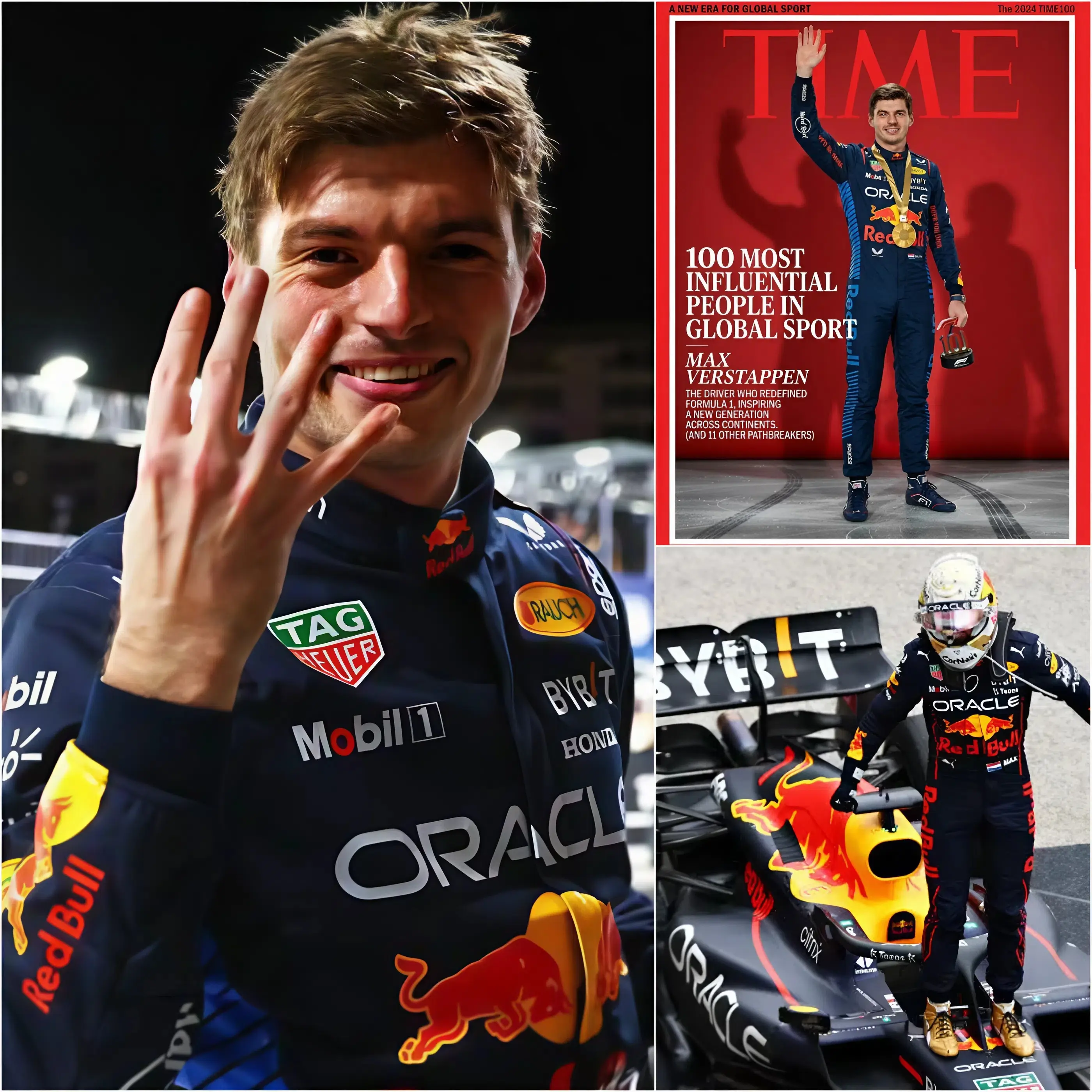
Max Verstappen has forged an impressive era in Formula 1 in recent years. Since his breakthrough in motorsport’s premier class, he has become known for his aggressive yet controlled driving style, his exceptional racing intelligence, and his ability to perform under extreme pressure. What once began as the story of a promising young talent has now blossomed into one of the most dominant careers in modern Formula 1.
When Verstappen made his Formula 1 debut at a young age, he immediately captured the attention of fans and analysts. His speed and determination made it clear that he possessed exceptional qualities. He was quickly seen as a driver with the potential to win the championship and change the sport.
His first major breakthrough came when he took his first Grand Prix victory. That moment marked the beginning of a period in which Verstappen developed into a solid title contender. His consistent performance and ability to win races in challenging conditions earned him a reputation as one of the most complete drivers on the grid.
In the years that followed, Verstappen continued to improve his performance. He won multiple races each season, regularly challenged for podium finishes, and became a symbol of success for both his team and his country. His world titles confirmed what many fans had long believed: that he was one of the best drivers of his generation.
Yet Verstappen’s influence isn’t just visible in his results. His presence has also had a huge impact on the popularity of Formula 1, especially in the Netherlands. Since his rise, interest in the sport has exploded in the country. The grandstands during races are often lit orange, and Dutch fans travel en masse to circuits around the world to support their hero.
The growth of this fan movement has infused Formula 1 with new energy. The enthusiasm of Verstappen’s supporters has contributed to a vibrant atmosphere during race weekends and helped the sport reach a wider audience. For many young fans, Verstappen is the face of a new generation of motorsport.
TIME magazine’s recognition also highlights how modern athletes exert influence beyond their own sport. Verstappen has become not only a racing driver but also a cultural icon. His achievements are followed and discussed worldwide, and his name has become synonymous with speed, determination, and competitive spirit.
Verstappen is also known for his direct and honest personality. In interviews and press conferences, he often speaks openly about his experiences, challenges, and goals. This authenticity has made him popular with fans who appreciate that he remains true to himself, even under the immense pressure of Formula 1.
Many experts believe his success has also set a new standard for young drivers dreaming of a career in motorsport. Verstappen demonstrates that talent, discipline, and determination can lead to exceptional performances at the highest level. For many aspiring racers, he is an example of what is possible when passion and hard work come together.

His influence is also evident in the way teams and rivals approach him. Opponents know that races against Verstappen are rarely easy. His strategic insight and ability to capitalize on opportunities make him a constant threat on the track. At the same time, he is respected by many fellow drivers for his professionalism and dedication to the sport.
Formula 1 itself has experienced a period of enormous growth in recent years, thanks in part to new media platforms and a growing international audience. In this dynamic environment, stars like Verstappen play a vital role. Their performances and personalities help keep the sport attractive to both loyal fans and new viewers.
Verstappen’s inclusion on TIME’s list of most influential sports figures demonstrates that his impact extends beyond race weekends and championship standings. He represents a generation of athletes who not only excel in competition but also have a broader cultural influence.
Fans reacted enthusiastically to the news of his recognition. Thousands of messages appeared on social media, expressing their pride in Verstappen’s achievements. Many emphasized that he is not only a great driver but also a source of inspiration for young sports fans.
Analysts suggest his career is far from over. Although he already has several championships and countless victories to his name, many believe his best years may still lie ahead. With his current form and competitive mindset, he remains a leading contender for future titles.

For the Netherlands, Verstappen is now more than just a sporting hero. He has become a symbol of national pride and international recognition. His success on the world stage demonstrates that talented Dutch athletes can excel in even the most competitive sports.
As Formula 1 continues to evolve with new technologies, new circuits, and an ever-growing global audience, the role of influential drivers will only become more important. Verstappen is at the center of this evolution and is helping to shape the future of the sport.
His inclusion in the TIME list is therefore not only a recognition of his past achievements, but also a confirmation of his lasting impact. It demonstrates that Max Verstappen not only wins races but also influences the way people experience and appreciate Formula 1.
With his talent, determination, and growing global influence, Verstappen seems poised to play a pivotal role in motorsport for years to come. For fans around the world, he remains one of the most fascinating and inspiring figures in modern sport.